GAUSSIAN SPLATTING & NERFS: THE NEW PREVIS AND SET-EXTENSION TOOLKIT
Filmmaking is evolving rapidly, with groundbreaking technologies like Gaussian Splatting and Neural Radiance Fields (NeRFs) leading the charge. These advanced techniques let you create hyper-realistic scenes with far less manual effort than ever before, allowing for faster iterations and more dynamic storytelling. Gaussian Splatting uses mathematical models to render scenes with impressive flexibility, making it possible to quickly visualize complex environments without the time-consuming processes of traditional CGI. NeRFs, on the other hand, leverage artificial intelligence to reconstruct detailed 3D scenes from a handful of ordinary photos, letting you manipulate lighting, perspective, and other elements in seconds. Both approaches significantly reduce the labor typically needed for modeling and texturing, meaning your team can focus on creative choices without being bogged down by technical constraints.
KEY CONSIDERATIONS FOR ADOPTING GAUSSIAN SPLATTING AND NERFS
By introducing these innovations into your workflow, you can dramatically speed up previsualization, also known as previs. Directors, DPs, and VFX supervisors can iterate on difficult shots by generating realistic previews, ensuring that every camera move, lighting setup, and actor placement looks just right before a single frame is captured on set.
This rapid prototyping saves time and money, all while making it easier to coordinate between creative departments. With flexible, data-driven previs, you free your team to experiment and innovate, side-stepping the expensive and risky surprises that often arise from last-minute changes during production. Gaussian Splatting and NeRFs don’t just make 3D environments more accessible—they fundamentally change how you plan, visualize, and execute compelling visual stories.
KEY CONSIDERATIONS FOR ADOPTING GAUSSIAN SPLATTING AND NERFS

Integrating these rendering techniques into set extension is just as impactful. Digital elements created with Gaussian Splatting or synthesized through NeRFs blend seamlessly into physical environments, making your sets appear much larger or more elaborate than what budget or space might otherwise allow. This unlocks the ability to create immersive, hybrid worlds where digital and physical elements interact naturally and can be adjusted on the fly based on the needs of your scene. Instead of constructing massive, expensive sets, you can digitally extend locations in post-production—or even in real-time—without sacrificing realism or believability. The immediate feedback and creative freedom enable you to refine environments so they support your narrative, rather than limit your vision.
KEY CONSIDERATIONS FOR ADOPTING GAUSSIAN SPLATTING AND NERFS
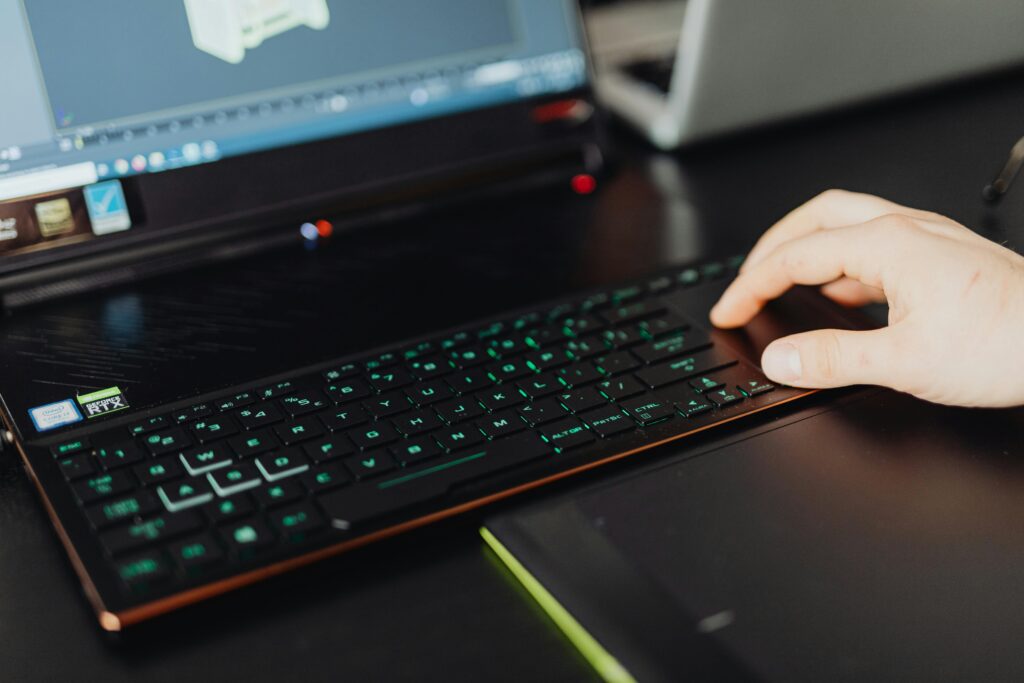
Despite these advantages, you may face some hurdles when implementing Gaussian Splatting and NeRFs. The computational demands are significant, so high-performance hardware and optimized software pipelines are a must if you want to avoid slowdowns or production bottlenecks. Your team will also need to upskill, learning to operate new tools and develop an understanding of AI-powered workflows. To get the most out of these systems, collaboration becomes even more vital between VFX artists, technicians, and supervisors. As with any major tech shift, the learning curve is real, but the long-term payoff in workflow speed and quality is hard to ignore.
Navigating these changes may require an investment in training and infrastructure, but the results are transformative.
KEY CONSIDERATIONS FOR ADOPTING GAUSSIAN SPLATTING AND NERFS
Assess your current hardware for compatibility with these compute-intensive techniques.
Dedicate time to team training on new software and workflows.
Foster collaboration between creative and technical departments for smoother integration.
Monitor rendering times and pipeline bottlenecks, refining processes as needed.
Leverage cloud-based solutions when local capacity falls short.
LOOKING AHEAD
In the near future, expect these tools to influence every step of film and video production, not just visual effects or set extension. Real-time virtual production environments will become more attainable, further blurring the line between digital and physical cinematography. As algorithms improve and hardware becomes more accessible, even smaller teams will gain the power to create large-scale, photorealistic worlds. Adopting Gaussian Splatting and NeRFs ensures you remain competitive and capable of meeting evolving audience expectations. Embracing them today will unlock new creative horizons for your next project.
KEY CONSIDERATIONS FOR ADOPTING GAUSSIAN SPLATTING AND NERFS
Integrating these rendering techniques into set extension is just as impactful. Digital elements created with Gaussian Splatting or synthesized through NeRFs blend seamlessly into physical environments, making your sets appear much larger or more elaborate than what budget or space might otherwise allow. This unlocks the ability to create immersive, hybrid worlds where digital and physical elements interact naturally and can be adjusted on the fly based on the needs of your scene. Instead of constructing massive, expensive sets, you can digitally extend locations in post-production—or even in real-time—without sacrificing realism or believability. The immediate feedback and creative freedom enable you to refine environments so they support your narrative, rather than limit your vision.