How Steve Pappas’s Customer Experience Principles Apply to Service Videos
Steve Pappas, head of innovation at eGain, spoke with Authority Magazine about the difference between how businesses evaluate their services and how customers actually experience them. He shared examples of identifying service frustrations, making behind-the-scenes work visible, and helping customers find useful answers.
For a service video, those ideas can shape what the crew investigates and records. The applications here are Team Beverly Boy’s interpretation, not video advice Pappas gave.
Observe the Journey Before Planning the Shoot
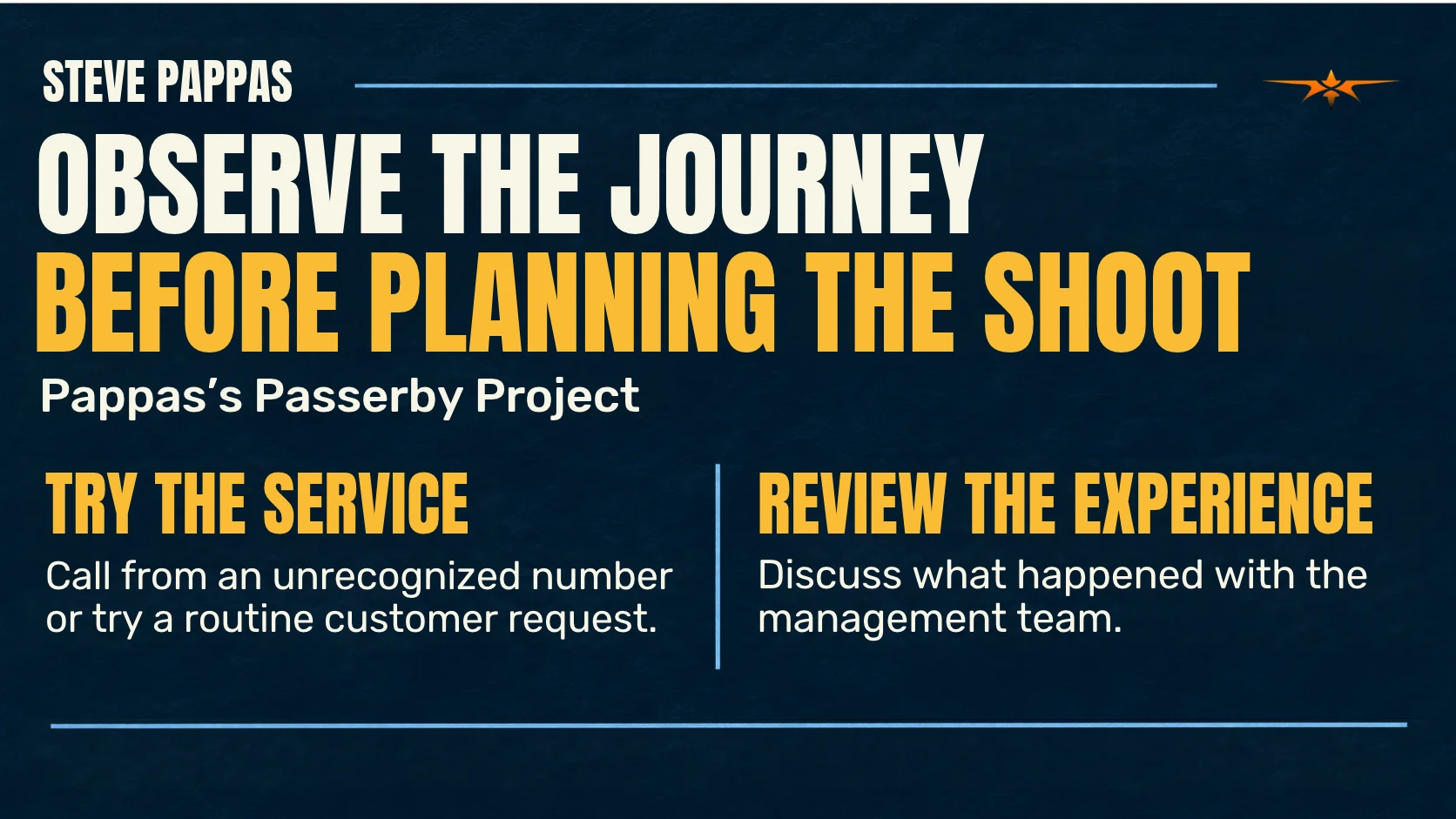
Pappas said executives and employees often encounter a different version of the business than customers do. He recommended what he calls the Passerby Project, an exercise in which business leaders experience their own service as ordinary customers. That might mean calling from an unrecognized phone number, visiting a location, or attempting a routine service request, then reviewing what happened with the management team. The exercise can reveal frustrating parts of a process.
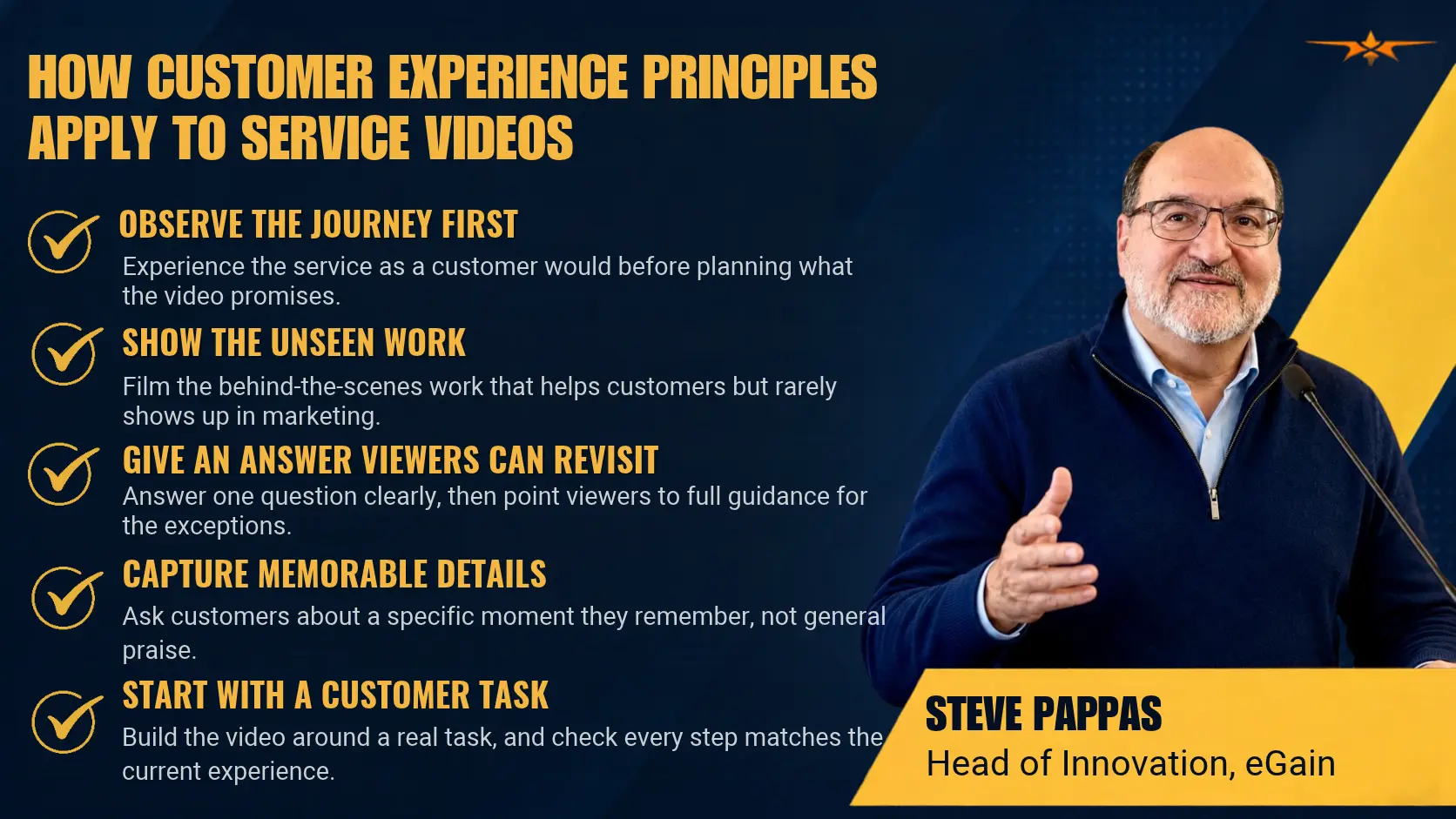
A producer can try that exercise during discovery with the client’s approval, taking care with other customers’ privacy. Try the inquiry path and ask service staff where people get stuck. Use the findings to check any promise the video makes about the experience, and flag gaps the service team needs to address.
Show the Work Customers Usually Do Not See
Pappas described a credit union whose fraud team had caught duplicate charges and blocked suspicious logins, although members were largely unaware of that work. The institution began sending a brief annual note describing specific interventions, signed by a real person and without a promotional offer. He presented this as a way to make an otherwise invisible service understandable.
A company video could show work that helps customers but rarely appears in marketing. Interview the responsible team and film an approved demonstration of their process. Review examples involving customer information or security, and distinguish a recreated scenario from a recorded event. The video should identify what the team does without implying that every issue will be caught or resolved in the same way.
Give Viewers an Answer They Can Revisit
Pappas described a health insurer that began giving customers access to the same knowledge articles used by its service representatives. He reported that repeat calls declined because customers could return to the information without contacting the company again. He also warned that an answer can break down at exceptions or edge cases when those details have not been documented.
A support video can answer one question and show the steps. Confirm the procedure and its exceptions with the service team. If it varies by product or situation, direct viewers to the right resource or a person who can help. A short video can explain the usual path while linking to full guidance for exceptions. Captions, on-screen text, and links should match that guidance.
Choose Details a Customer Would Remember
Pappas described how his charter airline used a booklet, help with luggage, and a dedicated host to shape the passenger experience. He recalled families telling him they appreciated those touches. In his advice on word of mouth, he urged businesses to think about the specific detail a customer would mention later.
That approach can inform a customer story video. Rather than relying on general praise, a producer can ask someone to describe a specific interaction, what happened, and why they remembered it. If filming a recreation, make its nature clear and confirm the practice is current. An accurate detail helps viewers understand the service the customer received.
Practical Application: Start With a Customer Task
Pick a viewer task, such as finding an answer or getting help. Walk through it with the service team and identify steps that can be filmed. Decide who can explain the process and where viewers should go if the usual steps do not apply.
Film the service environment or an approved demonstration, noting anything staged and any steps that happen off camera. In editing, check that the sequence, language, and links to next steps match the current customer experience. Ask someone familiar with the audience whether the video answers the intended question.
Team Beverly Boy’s Takeaway
Pappas’s interview reinforces the value of understanding a service from the customer’s position. For our team, that means looking beyond how a company describes its work and learning what customers actually encounter.
We would work with the client to identify real processes, choose knowledgeable speakers, and verify the details shown on screen. A service video should give viewers useful information about what the company does and how to take the next step, without promising that every customer will have the same experience.

Conclusion
Steve Pappas’s customer experience examples offer a useful basis for service video production: observe the customer journey, explain the work behind it, and make answers easy to revisit. The details and exceptions also need checking.
A video can present the experience clearly when its footage and claims reflect the service customers receive.
This article is based on an interview originally published by Authority Magazine. Read the full interview here.