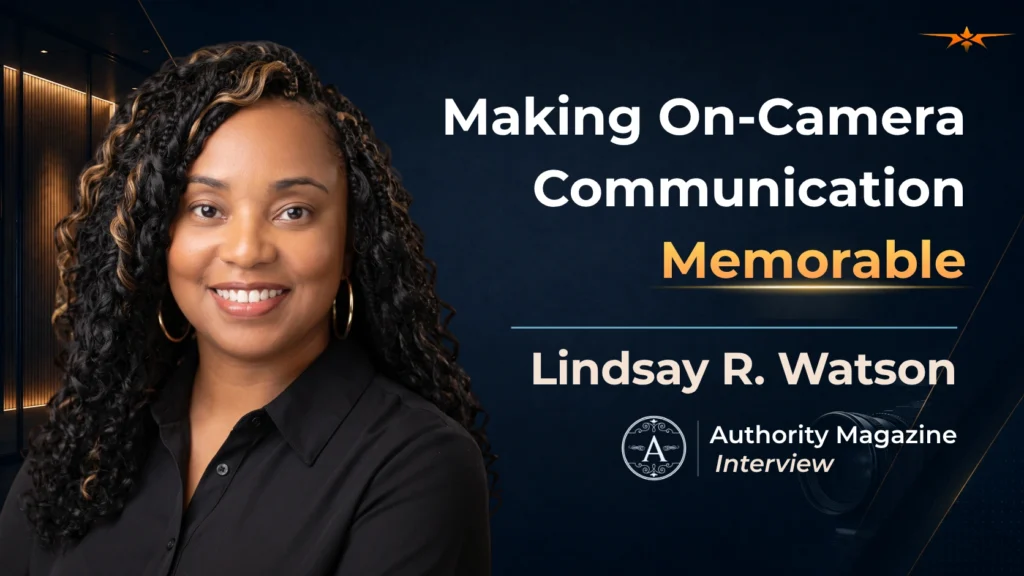
Lindsay R. Watson on Making On-Camera Communication More Memorable
A polished interview is not automatically an effective one. Viewers need to remember the message, recognize why it matters to them, and still feel like they are hearing from a real person rather than someone performing for the camera.
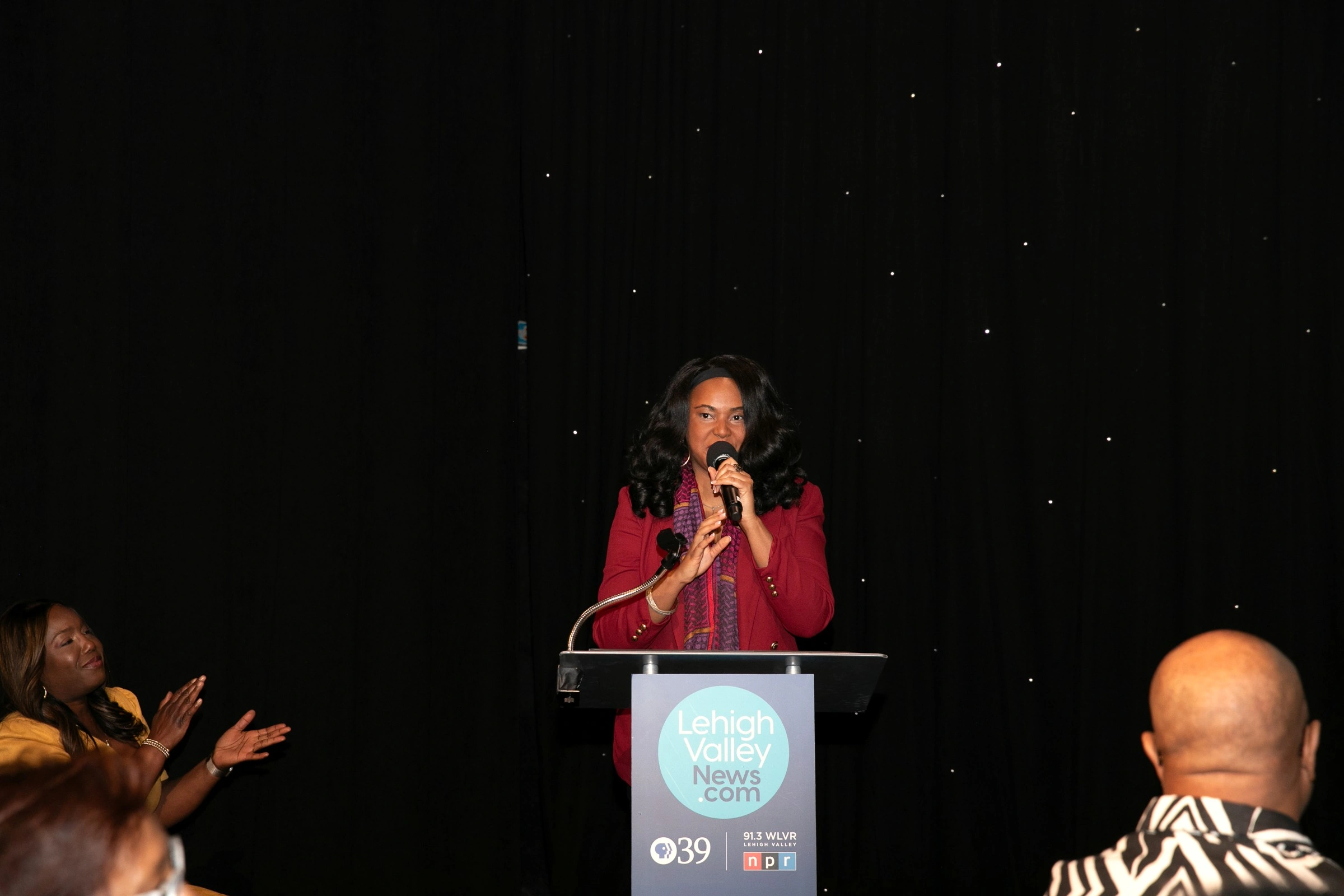
Lindsay R. Watson is the founder and CEO of Joy Fluent, an Emmy-nominated host, workforce strategist, keynote speaker, and creator of The Joyventory Method. Her career spans media, interviewing, public speaking, workforce development, and helping people communicate the value they bring.
For Beverly Boy Productions, Watson’s public-speaking principles translate naturally to executive interviews, testimonials, training videos, thought leadership, and keynote capture. The central production lesson is that strong on-camera communication depends less on saying everything and more on making the right idea clear, human, and easy to remember.
Decide What the Viewer Should Remember
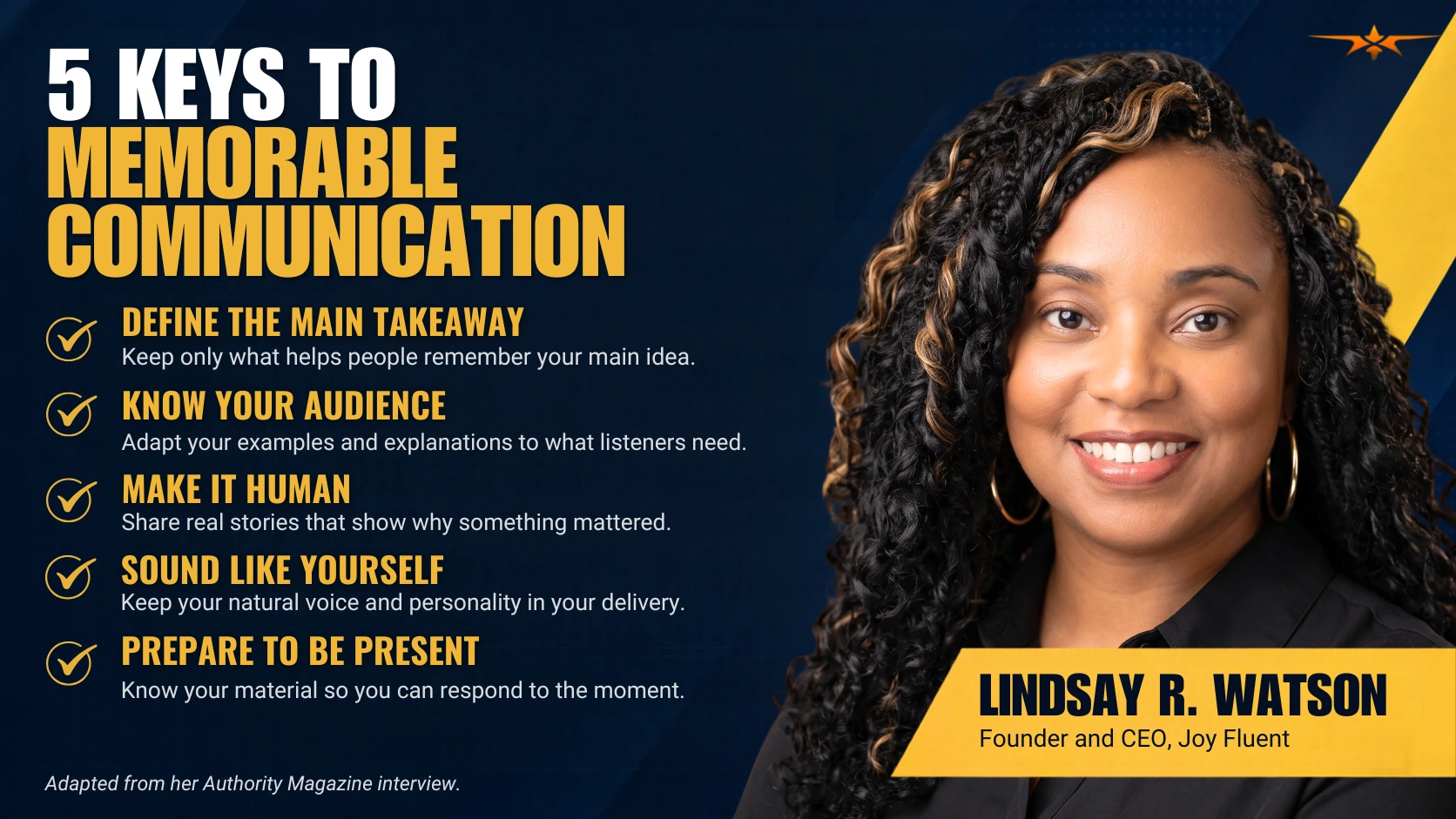
Watson’s first principle is to know what people should remember after the presentation ends. She argues that strong slides, research, stories, and energy mean little if the audience cannot identify the central point.
That is a useful editing rule for video. Before filming, the producer can identify the one or two ideas the viewer should carry away, then shape interview questions, B-roll, graphics, and runtime around those priorities.
This also creates a filter during post-production. An interesting answer may still be cut if it distracts from the message the finished video needs to leave behind.
Shape the Interview Around the Audience
Watson says the core message may remain consistent while the examples, explanation, and emphasis should change depending on who is listening. She would not speak to business owners, nonprofit leaders, workforce professionals, entrepreneurs, and job seekers in exactly the same way.
Corporate video needs the same audience discipline. An executive message for employees may require more context about responsibilities and change, while a customer-facing version may focus on outcomes, needs, and proof.
Beverly Boy can account for those differences during pre-production and, when useful, capture material for multiple audience-specific edits in the same filming session.
Find the Human Story Behind the Talking Point
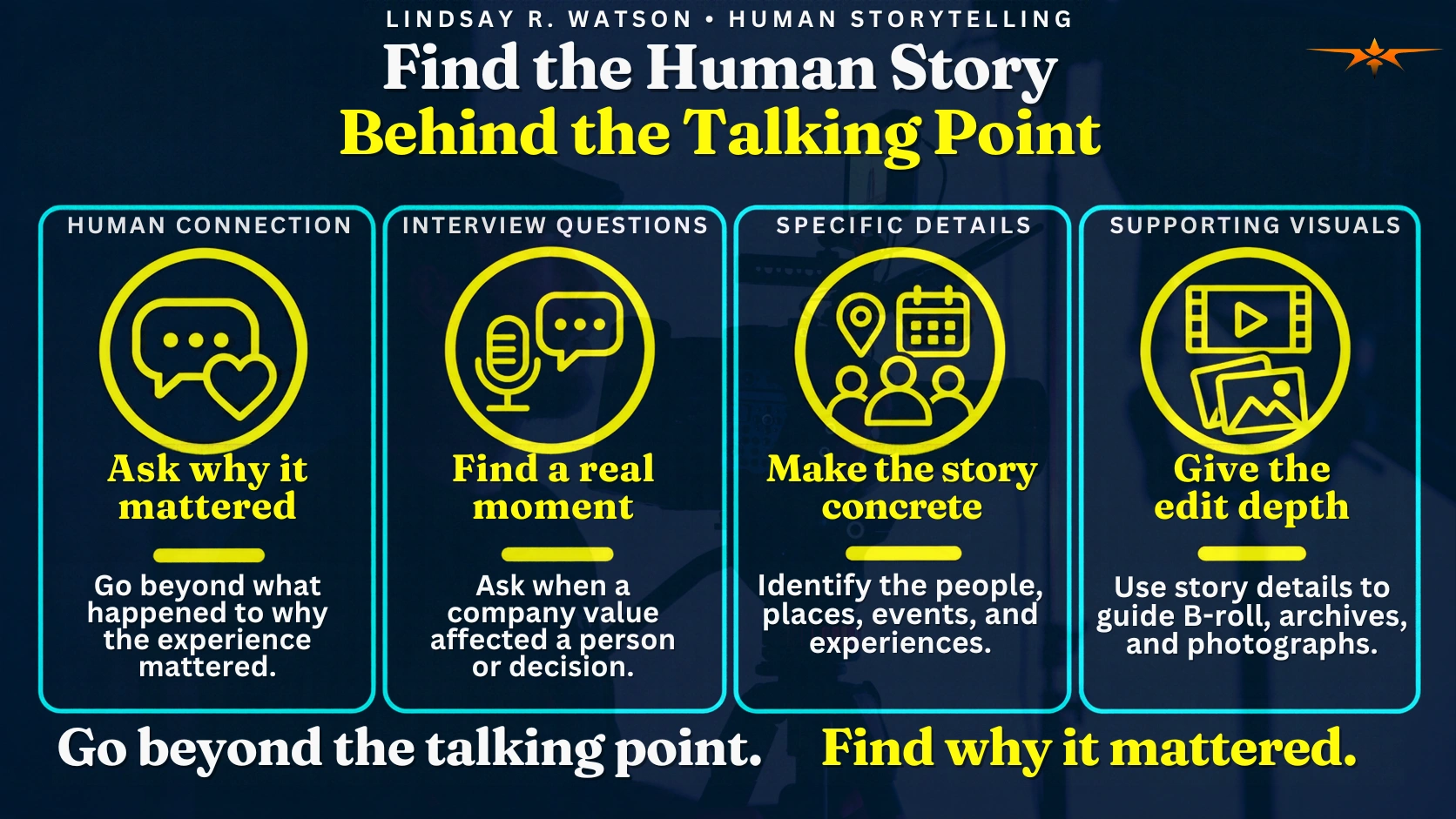
Watson’s third principle is to make communication human. Her years of interviewing taught her that the strongest answers often appear when someone explains why an experience mattered rather than simply describing what happened.
That distinction can transform an interview. Instead of only asking an executive what the company values, a producer can ask for the moment when that value affected a customer, employee, decision, or outcome.
Those answers also create better visual opportunities. Specific people, places, events, and experiences can guide B-roll, archival material, photographs, or other supporting footage that gives the edit more depth.
Keep the Person Underneath the Presentation
Watson warns that speakers sometimes change their voice, vocabulary, and personality once they step in front of an audience. Her advice is to prepare and command the room without becoming so performative that people can no longer recognize the person underneath.
The same problem happens on camera when a natural executive becomes stiff after memorizing a script. A pre-interview can help determine whether the speaker works best with conversational questions, talking points, a teleprompter, or several shorter takes.
Professional production should support credibility rather than manufacture a different personality. Lighting, sound, framing, and direction can improve presentation while the speaker’s own language and character remain intact.
Prepare Enough to Stay Present
Watson’s fifth principle is to prepare thoroughly enough that the speaker no longer has to think about every sentence. Knowing the material, transitions, and direction creates room to respond naturally when something unexpected happens.
For on-camera production, preparation can include reviewing the message, discussing likely questions, rehearsing difficult sections, and making the first answer especially familiar. Watson also notes that knowing the opening can reduce anxiety because the first minute is often the hardest.
The goal is not perfect memorization. It is enough familiarity that the subject can listen to the interviewer, respond naturally, and stay connected to the message.
Do Not Wait for Perfect Confidence
Watson encourages people to stop postponing opportunities because they believe they need one more class, credential, or level of readiness. She sees failure as information that can be used to adjust rather than as proof that someone should stop.
That principle is useful for leaders hesitant to begin video. A focused interview, pilot episode, or short executive series can reveal which topics, delivery styles, and formats feel strongest without requiring the organization to design an entire content program first.
The first production can create evidence for the next one. For Beverly Boy, allowing time for additional takes and constructive direction is one way to support that learning process.
Turn Communication Skills Into a Production Plan
Beverly Boy Productions can help organizations apply these principles through executive interviews, customer testimonials, leadership videos, keynote filming, training content, thought-leadership series, and other speaker-led productions. Pre-interviews, teleprompter support, professional crews, B-roll, multi-camera filming, and post-production can all be matched to how the speaker communicates best.
If your executive, expert, or spokesperson has something valuable to say but needs help making it clear and natural on camera, Beverly Boy can build the production around the message, audience, and delivery style that best fit the speaker.
Team Beverly Boy’s Takeaway
Watson’s framework gives production teams a practical priority: make it easier for the speaker to communicate well. Clear message goals, audience-aware questions, the right interview format, and thoughtful preparation can reduce performance pressure while giving the editor stronger material to work with.

Conclusion
Watson’s broader lesson is that memorable communication comes from clarity and connection, not performance for its own sake. When speakers know what matters and still sound like themselves, audiences have a better chance of remembering both the message and the person behind it.
This article is based on Lindsay R. Watson’s Authority Magazine interview with Tavares Beverly. Read the full interview on Medium.