How Ginny Follen’s Buyer Confidence Principles Apply to B2B Video Production
Ginny Follen, a B2B marketing leader and behavioural scientist, spoke with Authority Magazine about how buyers research complex purchases and decide whether they can support a choice internally. She argues that easier access to information has not removed the need for credible people and supporting evidence when buyers must justify consequential decisions.
For a business planning video, those points raise a practical question: what does a buyer need to see or hear before sharing the video with colleagues? These are Beverly Boy’s production applications of Follen’s marketing ideas, not recommendations she made about video.
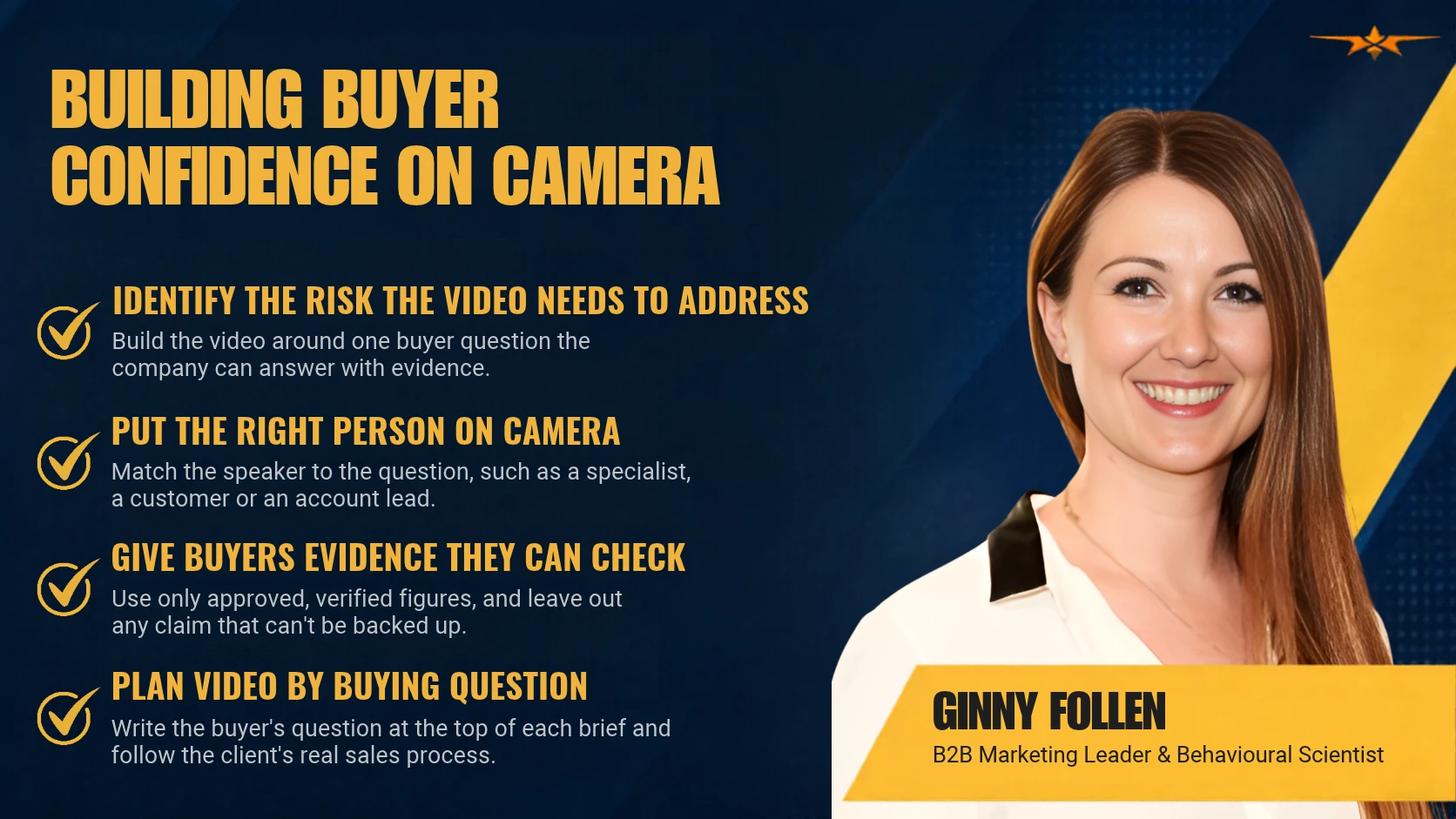
Identify the Risk the Video Needs to Address
Follen described what she calls a confidence gap. In her view, buyers can gather information and assemble a shortlist more quickly with AI, but they still need to defend a decision to other people. She advises marketers to tailor the substance of a message to the buyer’s concern. Someone considering a switch from an established provider may need reassurance about that change, while someone earlier in the process may need to understand the category.
A producer can bring that distinction into the brief before choosing a format. Ask the client’s sales and customer teams which questions repeatedly slow a decision: implementation, service, training, cost, or another issue. Choose one question the organization can answer with evidence, then build the interview and supporting footage around it.
Put the Right Person on Camera
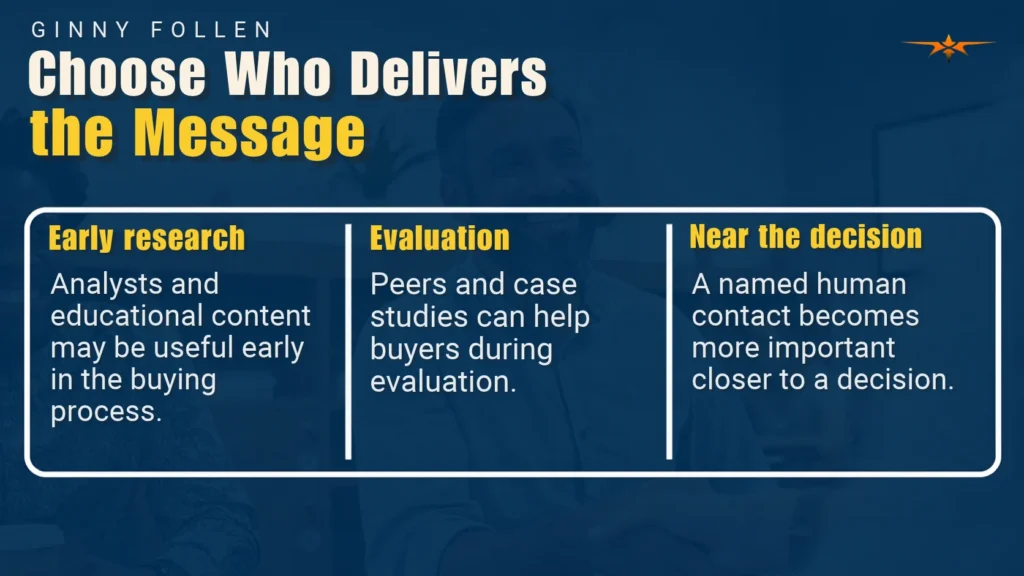
Follen said the source of a message changes how it is received. She described a buying process in which analysts and educational content may be useful early, peers and case studies can help during evaluation, and a named human contact becomes important closer to a decision.
For video production, the speaker should match the question. A product specialist may explain a workflow, a customer may describe their own implementation if they agree to participate, and an account lead may address what happens after a contract is signed. Each has a different kind of knowledge. Plan separate interviews when one spokesperson cannot speak credibly to every part of the buying process, and identify each speaker’s role in the edit.
Give Buyers Evidence They Can Check
Follen urged marketers to verify the statistics they use instead of repeating figures from secondary sources. She also described proof points and case studies as material that can help a buyer explain a choice to others.
Before filming, a producer should ask which figures, examples, or customer outcomes have been approved and what each one actually measures. A demonstration can show a process; an interview can explain a decision or experience; a graphic can clarify a verified number. If the team cannot substantiate a claim, leave it out of the script. In editing, retain the context needed to understand a customer’s result instead of presenting it as a promise to every buyer.
Practical Application: Plan Video by Buying Question
Map three questions to the stages where they tend to arise. An early video might explain a problem or category in plain language. A later case study could let a customer describe a specific situation and result, subject to permission and verification. Near a decision, a named team member could answer practical questions about onboarding or support. The sequence should follow the client’s actual sales process.
For each piece, write the buyer’s question at the top of the production brief. List who can answer it, what footage would make the answer clearer, and which claims need review. Shoot enough material for a focused edit that explains its main point clearly, including when a buyer shares it with colleagues who were not part of the original conversation. Give sales teams a clear description of when each piece is useful.
Team Beverly Boy’s Takeaway
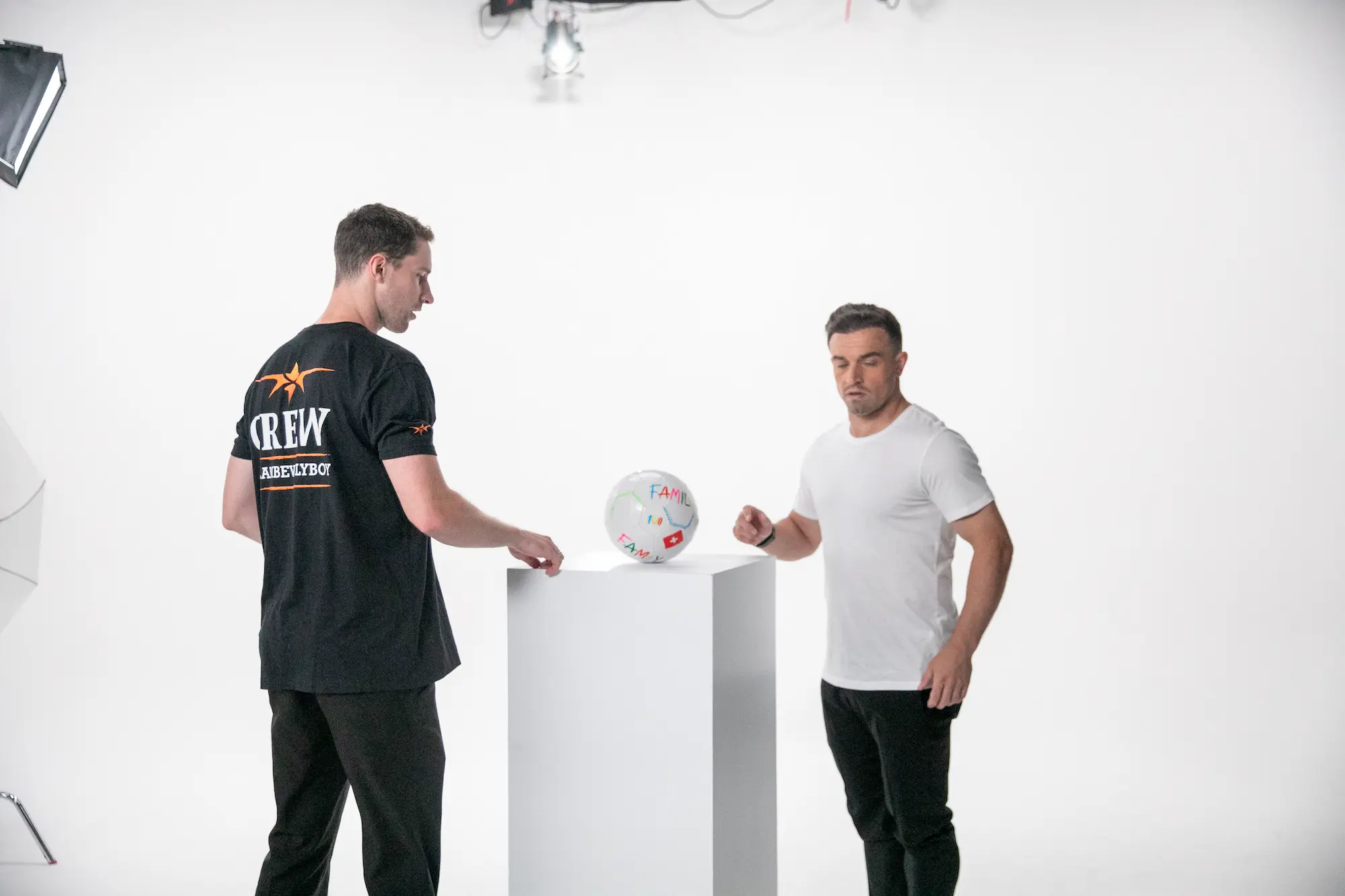
Follen’s interview suggests starting with the decision a viewer is trying to make. We would ask the business what buyers need to justify internally and which people can speak to those concerns firsthand. That determines whom we interview and what evidence belongs in the frame before anyone writes an opening line.
We would also review a cut from the perspective of someone forwarding it to a colleague. Can the recipient understand the question, the answer, and the limits of the claim? A named speaker and a specific example may give that conversation more substance than a broad statement about being the best choice.
Conclusion
Follen’s interview is about B2B marketing and buyer psychology. For video producers, the useful application is to match the question, messenger, and evidence to the buyer’s situation. A video built around a verifiable answer gives buyers material they can review and share, while leaving more detailed or situation-specific questions for a conversation with the appropriate person.
This article is based on an interview originally published by Authority Magazine. Read the full interview here.