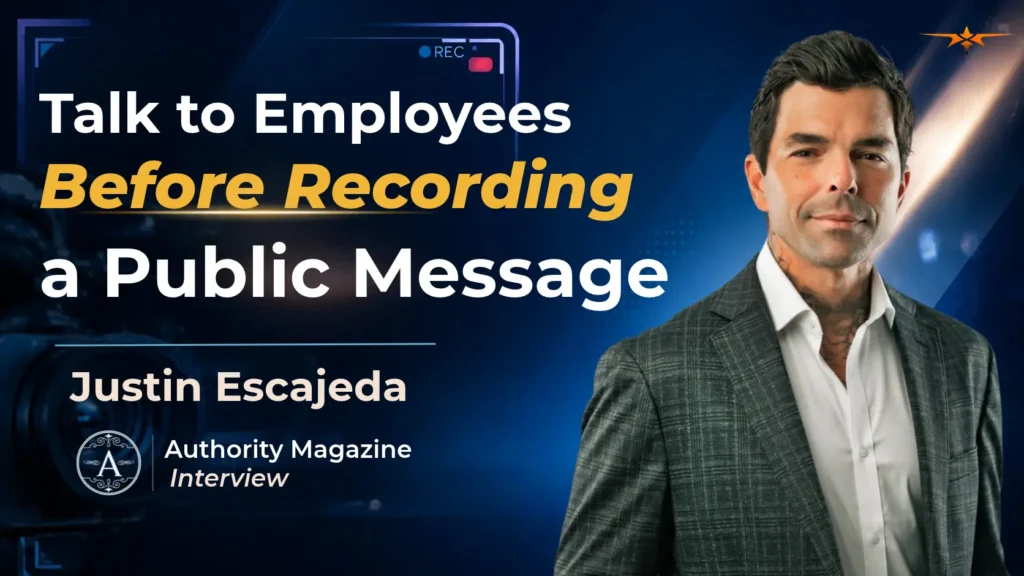
What Justin Escajeda’s Story Suggests for Acquisition Videos
Justin Escajeda, owner and president of Escajeda Holdings, spoke with Authority Magazine about buying construction and trades businesses from owners who were ready to retire. He described meeting employees before closing, keeping established company names, and allowing each business leader to manage their operation. His account treats the people and reputation behind a company as part of what a buyer must protect.
That perspective can inform videos made during a change in ownership. Employees may want to know how they will work, while customers may want to know whether familiar people and services will remain. The production ideas in this article are Beverly Boy’s interpretation of the interview; Escajeda did not discuss video production.

Talk to Employees Before Recording a Public Message
A couple of days before his first acquisition closed, Escajeda met the roofing company’s employees. He told them he was using his own money and wanted the business to operate as it had, with the same name, employees, customers, and pricing. He said almost everyone stayed. He also said he has met with employees before subsequent closings because a team that does not trust the new owner can leave.
That sequence should shape an acquisition video’s brief. Before filming an owner’s announcement, a producer can ask what employees have already heard, what has been confirmed, and who will handle questions that the video cannot answer. A recording can reinforce a direct conversation and provide a reference afterward. It should reflect the decisions leadership has made at the time of filming.
Make Continuity Specific
Escajeda said he does not rebrand the companies he buys. He sees an established name as part of the reputation built by previous owners and employees. In his first acquisition, he told employees he wanted existing customer relationships to continue as well.
For a video, continuity needs details the organization can confirm. Footage might include the existing name on a truck, a crew performing its usual work, or a manager explaining which services will continue. Ask the company to verify that each person, location, and process shown represents its plan after closing. A familiar image can carry an implied message, so it deserves the same factual review as spoken claims.
Explain How Separate Businesses Work Together
Escajeda said his companies share leads and subcontract work, yet each business must be able to stand on its own. Their presidents focus on their own operations, which can cause opportunities across the group to be missed. He recalled one company hiring an outside roofing subcontractor when another company in the group could have handled the job. He said the group now holds weekly and monthly meetings to improve coordination.
A group video can show the businesses in their own settings before explaining where they connect. Identify each team’s work and leadership, then use a verified example to explain how a lead, job, or service moves between companies. If a new shared process is still being developed, describe the plan at its current stage.
Practical Application: Plan an Acquisition Video Around Confirmed Answers
Start the brief with two audiences: employees and customers. List the questions each group is likely to ask, then mark which answers leadership can confirm. For employees, those may concern management, daily work, and where to raise concerns. For customers, they may concern the company name, contacts, and available services.
Next, build a shot list around the confirmed answers. Record the owner or relevant leader explaining the transition, film the established teams and locations that will remain, and capture an actual example of cooperation if the video discusses shared capabilities. Review the edit with people responsible for operations so its narration and images agree. Decide when the employee and customer versions will be released as part of the communication plan.
Team Beverly Boy’s Takeaway
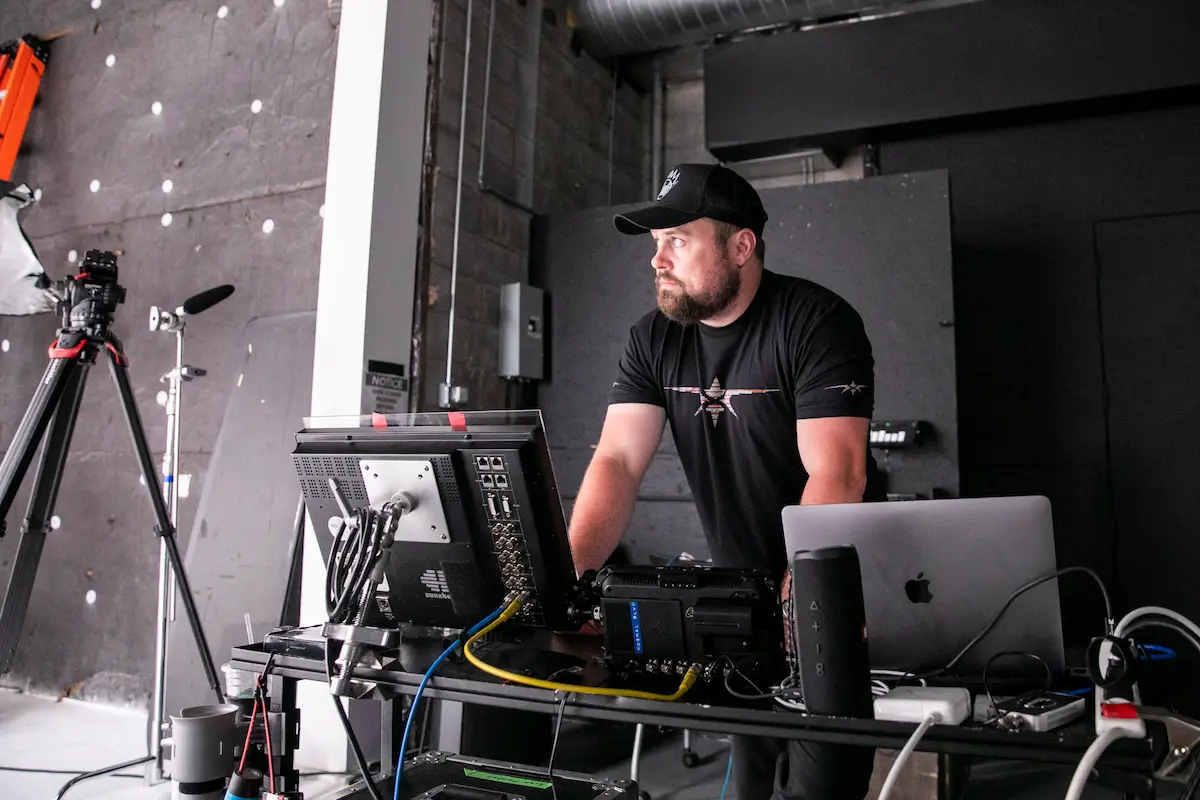
Escajeda’s story makes us focus on the order of communication. The employees in his first acquisition heard from him directly before the deal closed; a video serving a similar transition should be planned around the conversations leadership is having. We would ask what each audience needs to know and who is in a position to answer it.
We would also give each acquired business space to be recognizable on screen. Keeping a name is one decision; showing the work, people, and leadership behind that name gives the decision context. Where the group claims a benefit from working together, a specific, current example is more useful than a broad statement about synergy.
Conclusion
An acquisition video can explain change through confirmed details: what will continue, who is responsible, and how businesses will work together. Escajeda’s interview gives producers a reason to investigate those details before writing or filming. The resulting message should match what employees have heard and what customers can expect.
This article is based on an interview originally published by Authority Magazine. Read the full interview here.