How Diana Akchurina’s B2B Marketing Principles Apply to Video Production
Diana Akchurina, author of the Strategic Organic Growth Framework, spoke with Authority Magazine about building B2B demand through trust, relevance, and consistent communication. She emphasized defining a target audience, understanding its business challenges, and using credible third-party voices and relevant content to support buyers during a lengthy decision-making process.
For business video, the first production question is whom the piece should help and what it should answer. The applications here are Beverly Boy’s interpretation of Akchurina’s marketing ideas, not recommendations she made about filmmaking.
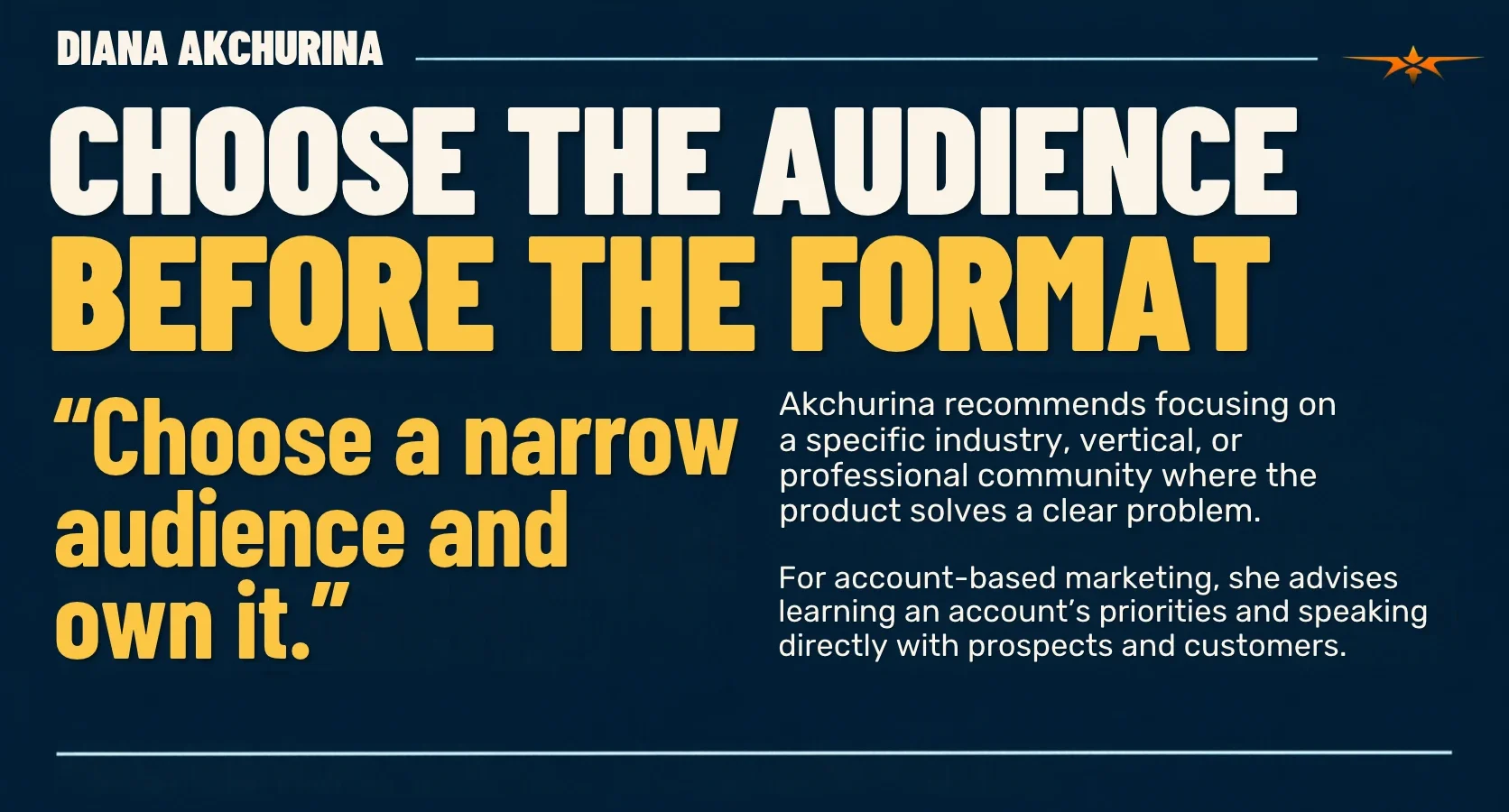
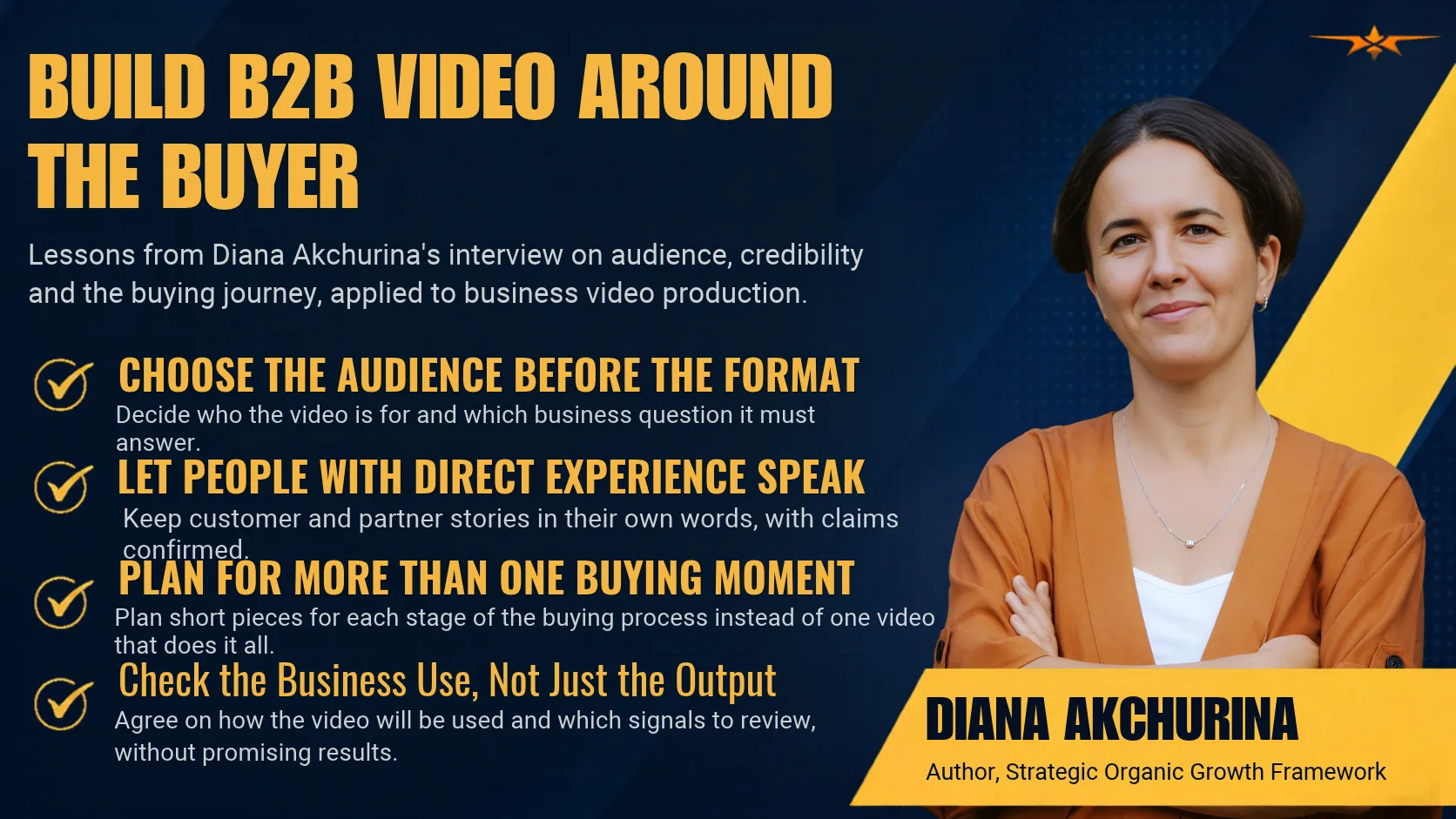
Choose the Audience Before the Format
Akchurina’s first B2B marketing tip was to narrow the audience by industry, vertical, or professional community where the product solves a clear problem. She said broad messaging can make competitors sound alike. For account-based marketing, she recommended learning an account’s priorities and speaking directly with prospects and customers.
Before choosing a video format, the production team should identify the intended viewer and the business question the video needs to answer. Ask sales and customer teams which questions that group raises and which examples are relevant to their work. An operations manager may need to see a workflow; an executive sponsor may need the business problem and implementation plan. The producer can then choose speakers and footage that answer the selected question.
Let People With Direct Experience Speak
Akchurina emphasized the value of independent voices, including industry experts, customer reviews, and third-party platforms where buyers can evaluate real experiences. She also named customer stories and case studies among the formats that can help buyers research a company.
For video, a customer or partner should describe what they know firsthand. A producer can ask what problem they faced, what the organization did, and what changed in their own situation. Confirm permission, numbers, and any conditions behind the result before filming or adding graphics. A brand representative can explain product details, but a participant’s account should remain in that person’s words.
Plan for More Than One Buying Moment
Akchurina described working with a B2B SaaS company whose sales process took time. She combined events, webinars, email, communities, search content, case studies, and other channels to create relevant points of contact before serious sales conversations. She favored useful channels over appearing everywhere.
A production plan can reflect that sequence without asking one video to do every job. A short explanation may introduce a problem, an interview may answer a common question, and a case study may give a prospect a specific example to discuss with colleagues. Decide where each piece will live and what the viewer should know afterward. If multiple cuts are planned, capture the needed framing and answers during the shoot.
Check the Business Use, Not Just the Output
Akchurina said marketing teams need to look beyond the number of campaigns, pieces of content, or visitors they generate. In her view, the work should be connected to pipeline, revenue, retention, and growth.
A production team can establish how the video will be used and which outcomes the client intends to evaluate, without treating sales results as guaranteed. It can agree with the client on how the piece will be used and what signals are worth reviewing. Ask whether sales teams shared it, which questions viewers still asked, and whether an example or explanation needs updating. Those observations can inform the next brief without claiming the video caused an outcome the team cannot verify.
Practical Application: Build a Focused B2B Video Brief
Start with the audience, one business question, and the place the video will be used. List the people who can answer from direct experience, the footage that would clarify the answer, and any claims that need approval. If the piece is for a named account or a narrow industry, check that its examples speak to that group’s actual problem.
During editing, keep the answer clear enough to stand alone where it will be shared. Preserve the context of customer comments and avoid turning one result into a universal promise. Give the publishing or sales team the final cut, a short description of its use, and any related clips agreed in the brief.
Team Beverly Boy’s Takeaway
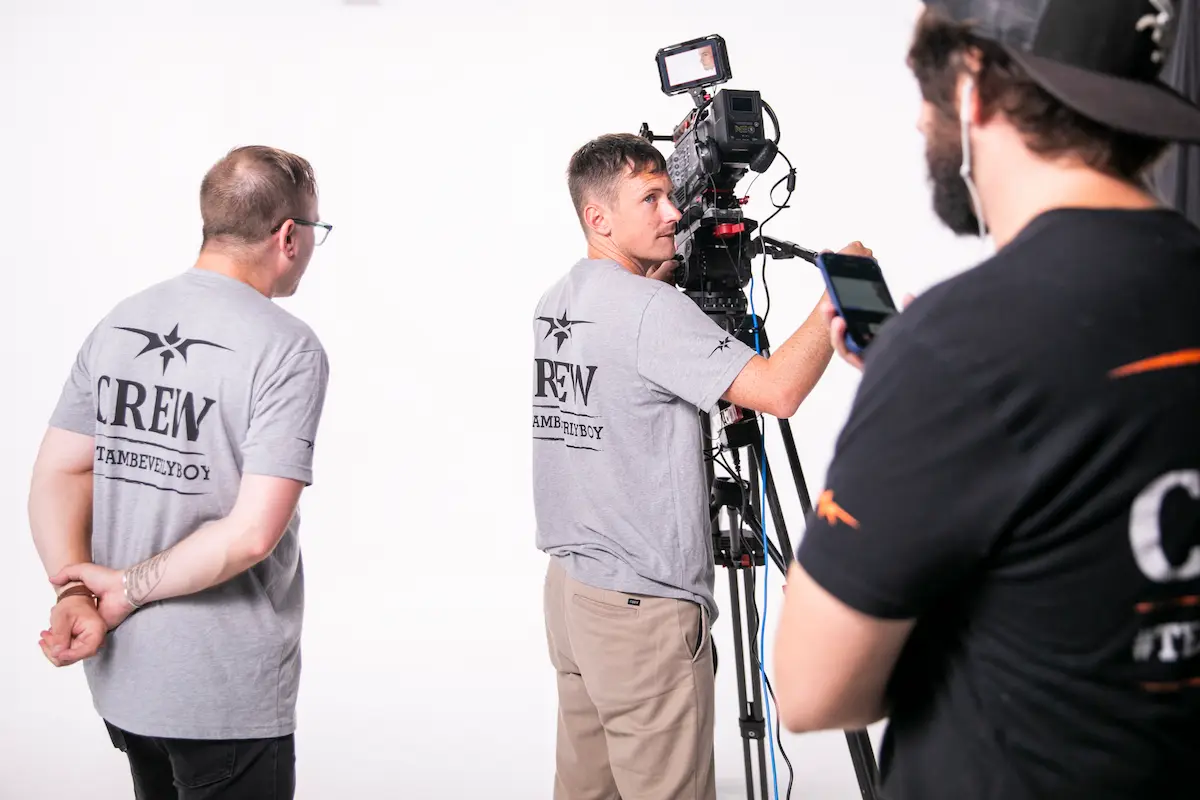
Akchurina’s interview makes audience relevance the first production decision. We would ask what the viewer already knows, what they still need to understand, and who can explain it credibly. Those answers should determine the interviews and shot list before the team settles on a style.
We would also plan distribution with the client while the shoot is being designed. Our goal would be to deliver a video that answers a relevant buyer question and is prepared for the channel where the client plans to use it. Feedback from sales and customer teams can then help identify what needs to be clearer in future productions.
Conclusion
Akchurina’s B2B marketing advice centers on a defined audience, credible voices, useful touchpoints, and business relevance. Applied to video, those ideas lead to a focused brief, interviews grounded in direct experience, and edits planned for their actual use. The production can support the buying conversation without claiming to complete it on its own.
This article is based on an interview originally published by Authority Magazine. Read the full interview here.