
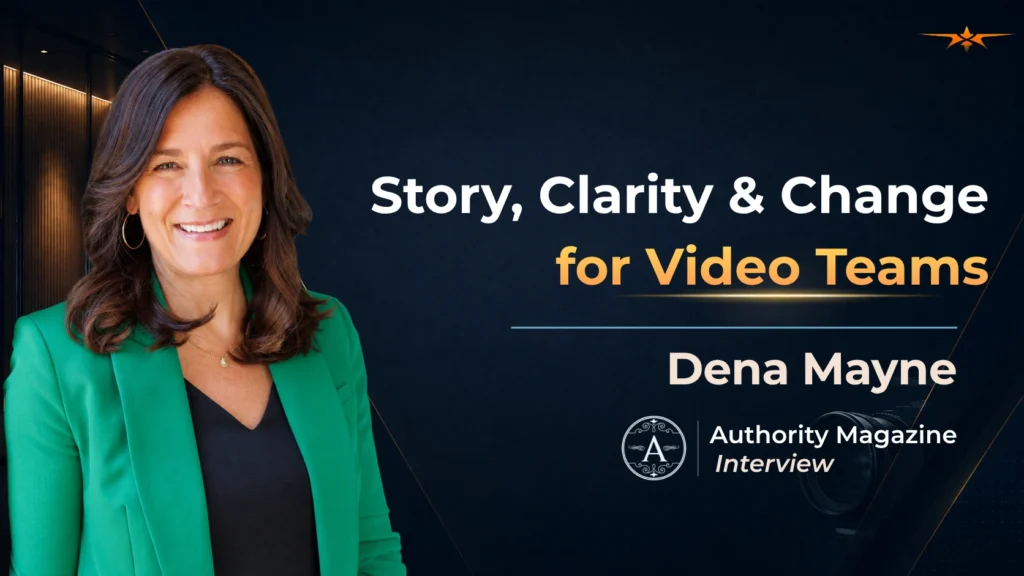
What Video Teams Can Learn from Dena Mayne About Story, Clarity, and Change
Video projects often fail to gain support for the same reason organizational changes do: the people involved may understand the facts but not yet understand why the decision matters or where they fit. Dena Mayne, President of Keystone Group International, works across leadership development, culture, organizational strategy, and growth, drawing on 25 years of experience in large corporate environments.
Her Authority Magazine interview offers useful ideas for video production, especially when projects involve executives, multiple departments, competing priorities, or organizational change. For Beverly Boy, the strongest lessons are about using story to create understanding, listening before deciding, communicating trade-offs clearly, and helping people move forward even when everyone does not agree.

Bring People Along Through Story
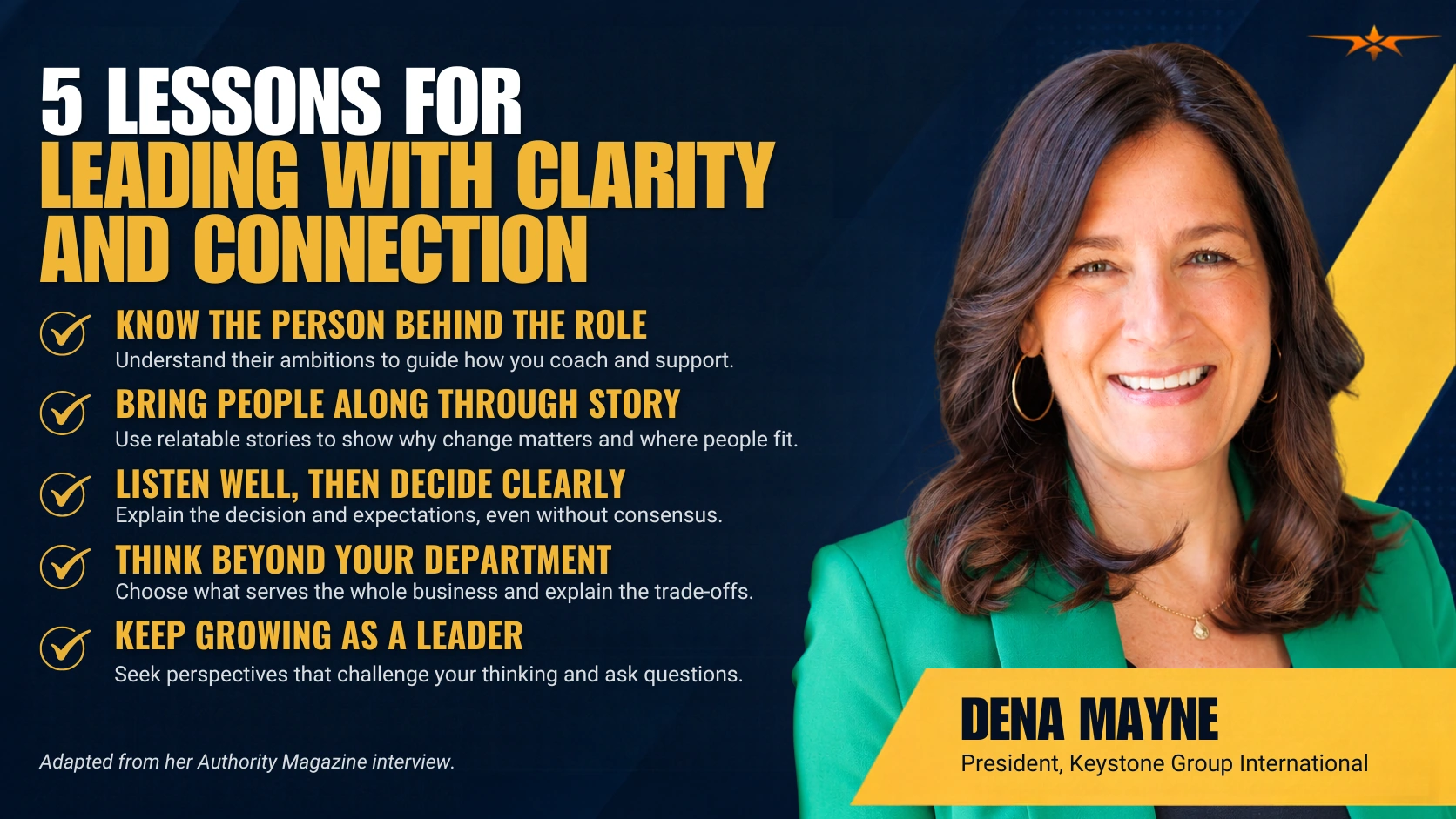
One of Mayne’s five leadership lessons is to use stories rather than relying only on facts and strategy. She describes learning from a CEO who made business messages relatable by connecting them to examples people could understand, helping employees see not only where the organization was going but why it mattered and where they fit.
That is directly relevant to corporate video. A leadership video filled with goals, percentages, and strategic language may be accurate but still difficult to connect with, so Beverly Boy can help translate those ideas into employee experiences, customer examples, executive stories, or specific moments that make the strategy easier to understand.
Give People Time to Catch Up
Mayne says leaders often spend weeks or months thinking through a decision before communicating it. By the time the announcement happens, leadership may feel ready to move while everyone else is only beginning to process the change.
That difference matters in video communication. An executive may have discussed a merger, reorganization, new initiative, or cultural shift for months, while employees watching the announcement may be hearing the full reasoning for the first time, so the video needs to explain the context, the impact, and what happens next.
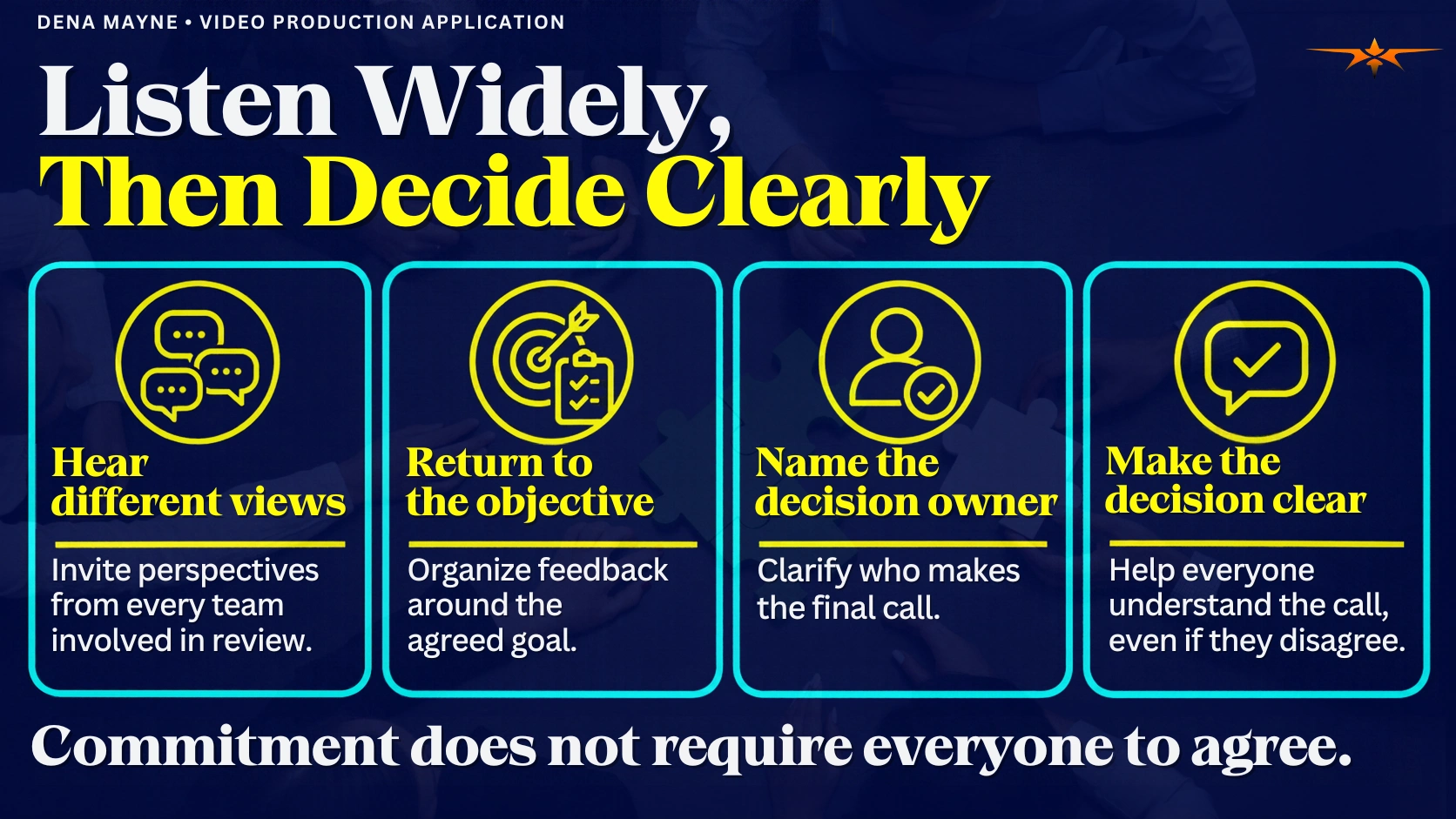
Listen Widely, Then Decide Clearly
Mayne warns against confusing consensus with commitment. She says healthy debate and differing opinions can improve decisions, but eventually someone has to make the call, and people need to understand the decision even if they do not fully agree with it.
Video teams face the same challenge during review. Marketing, leadership, legal, and the creative team may all bring valid perspectives, but endless compromise can weaken the final piece, so Beverly Boy can help organize feedback around the agreed objective and clarify who owns the final decision.
Know the People Behind the Roles
Mayne’s first formal lesson is to know people beyond their job descriptions. Understanding someone’s ambitions, motivations, and strengths changes how a leader can coach and support them.
That idea is useful when interviewing employees and executives because a title only explains what someone does, not why they care about the work or what shaped their perspective. For Beverly Boy, stronger pre-interviews can uncover those details before the camera rolls and reduce the risk of generic corporate answers.
Lead the Project, Not Just Your Department
Mayne says C-suite leaders have to think beyond their own function. A marketing leader may believe additional marketing investment would help, but at the executive level the question becomes whether that is the best use of resources for the entire business.
That principle applies directly to video production decisions. A DP may want more time for lighting, an editor may want additional footage, and marketing may want more deliverables, but the producer has to consider the story, schedule, budget, and client objective together rather than maximizing one department’s preference.
Explain the Trade-Off
Mayne notes that meaningful decisions usually involve trade-offs and that strong leaders help teams understand why one priority is being chosen over another.
That can make difficult production conversations easier. If the schedule requires a simpler setup, the budget cannot support every requested deliverable, or an executive video needs to be shorter, Beverly Boy can explain what is being protected and why the recommendation supports the larger objective.
Keep Challenging the Process
Mayne’s fifth lesson is to keep learning even after reaching senior leadership. She argues that markets, technology, employees, and ways of working continue to change, so leaders need to stay curious, seek feedback, and question their own thinking.
Video production requires the same mindset as new tools, audience habits, platforms, and workflows continue to evolve. Beverly Boy can evaluate those changes based on whether they improve communication, production efficiency, or the client and audience experience rather than assuming every new method is automatically better.
Team Beverly Boy’s Takeaway
Mayne’s strongest lesson for production is that communication should help people understand where they fit. For Beverly Boy, that means using story to make strategy relatable, gathering different perspectives without allowing review to become endless, and clearly explaining the reasoning behind important production choices.

Conclusion
Clear communication is not simply about delivering information. It is about helping people understand the purpose, the decision, and what happens next, which makes Mayne’s leadership principles especially useful for video teams working through change.
This article is based on an interview originally published by Authority Magazine. Read the full interview here.
