
Colarte on Visual World-Building for Artist Video Content
A music video can do more than illustrate a song. It can help define the world the artist wants the audience to enter.
Colarte is a New York-born R&B and pop artist who began pursuing music seriously in 2019. After several years as an independent artist, he signed with Pengea and began developing the multi-project “123” trilogy, an era built around both the music and the visual world surrounding it.
His Authority Magazine interview offers several useful ideas for video production, particularly around creative direction, collaboration, communication, investment, and maintaining a recognizable identity as the work becomes more ambitious.
Build the Visual World Around the Music
Colarte describes his current projects as more than a collection of songs. He and his team are developing the music, visuals, performances, and larger world around each installment of the “123” trilogy together.
That is a useful approach for artist video production. Instead of treating each music video, performance clip, photo session, and social asset as a separate assignment, the team can define the visual language of the entire release.
For Beverly Boy, that could mean establishing the mood, locations, lighting, wardrobe, framing, and recurring visual ideas before individual shoots begin. The result is content that feels connected even when the formats change.
Keep a Core Identity While Exploring Different Styles
Colarte says he and executive producer De’Tale deliberately avoid staying in one lane while still protecting the foundation of his sound and serving his core audience. Different songs may feel dramatically different, but they still need to feel like Colarte.
Video teams face the same challenge. One project may call for cinematic narrative footage while another needs a stripped-down performance, short social content, or documentary-style behind-the-scenes material.
The visual style can change without losing the artist’s identity. Beverly Boy can help identify which elements should remain consistent so experimentation still feels connected to the same creative brand.
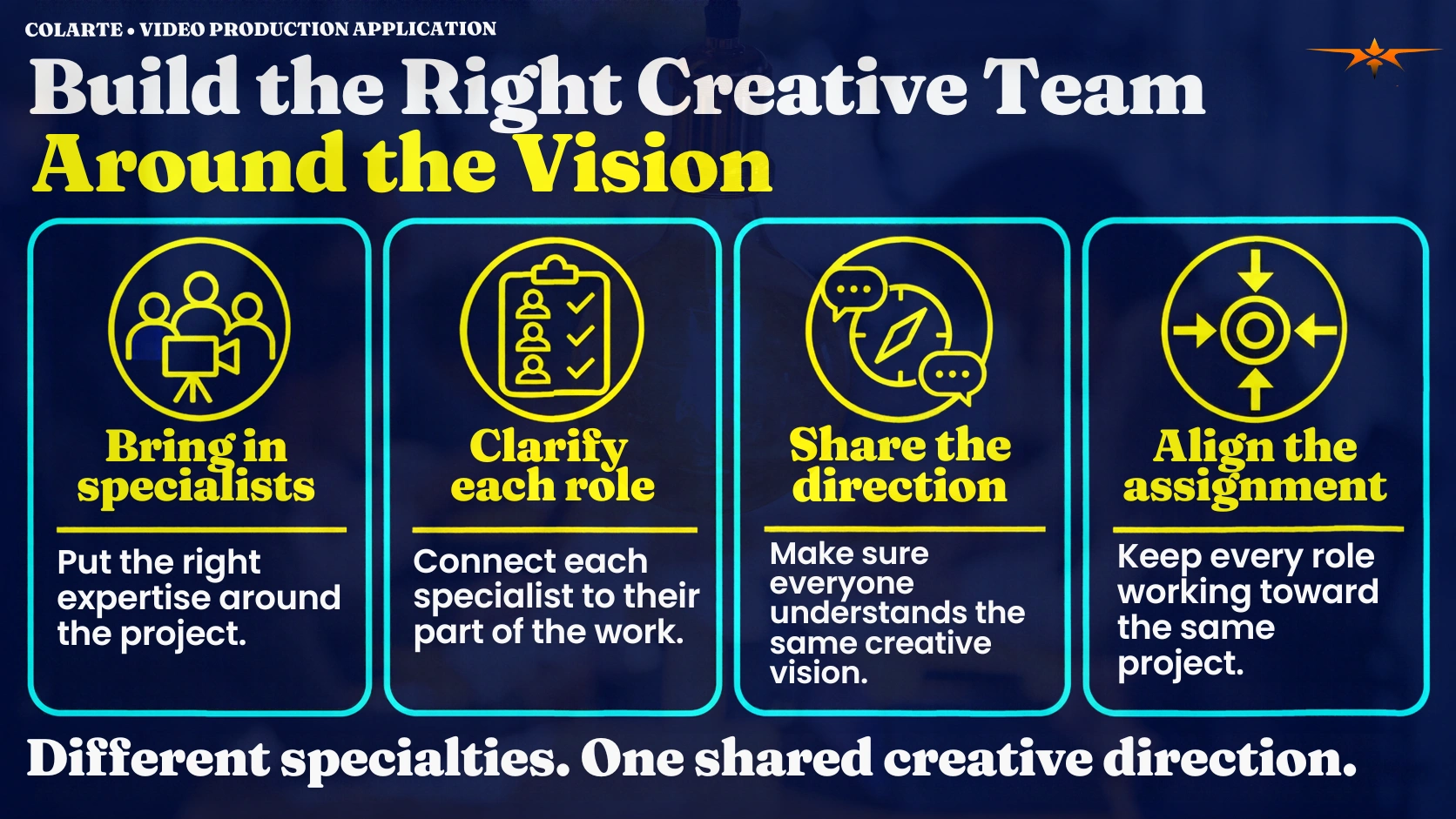
Build the Right Creative Team Around the Vision
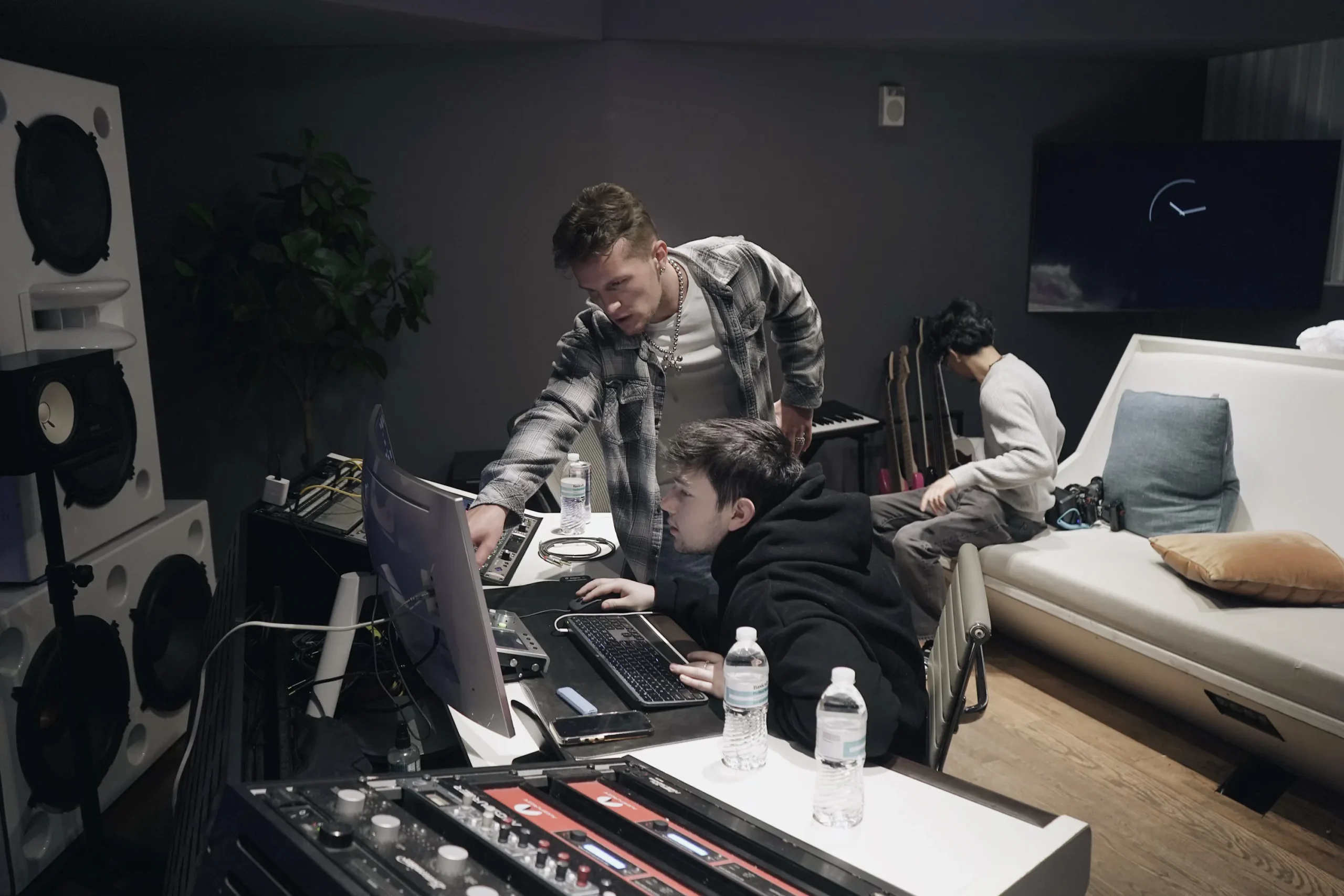
Colarte credits several collaborators with shaping the visual and creative side of his work. Sage English handles music videos, T-Swiffa contributes photography and lifestyle footage, and De’Tale helps develop his sound, direction, and broader artistic identity.
That reinforces a practical production lesson: ambitious visual work rarely comes from one person doing everything.
For Beverly Boy, the goal is to put the right specialists around the project while making sure everyone understands the same creative direction. The director, DP, photographer, editor, producer, and artist should not be solving different versions of the same assignment.
Match the Message to the Person Receiving It
Colarte recounts a studio situation that taught him that communication is not only about what is said, but how it is delivered. Looking back, he realized that using someone with a closer relationship to the other party might have handled the situation more effectively.
That lesson applies well to production sets.
A producer may need to communicate differently with the artist, management, venue staff, label representatives, crew members, and guests. The underlying requirement should remain clear, but the right messenger and tone can affect how smoothly the issue gets resolved.
Strong production communication is not avoiding difficult conversations. It is knowing how to have them productively.
Treat Marketing and Visuals as Part of the Work
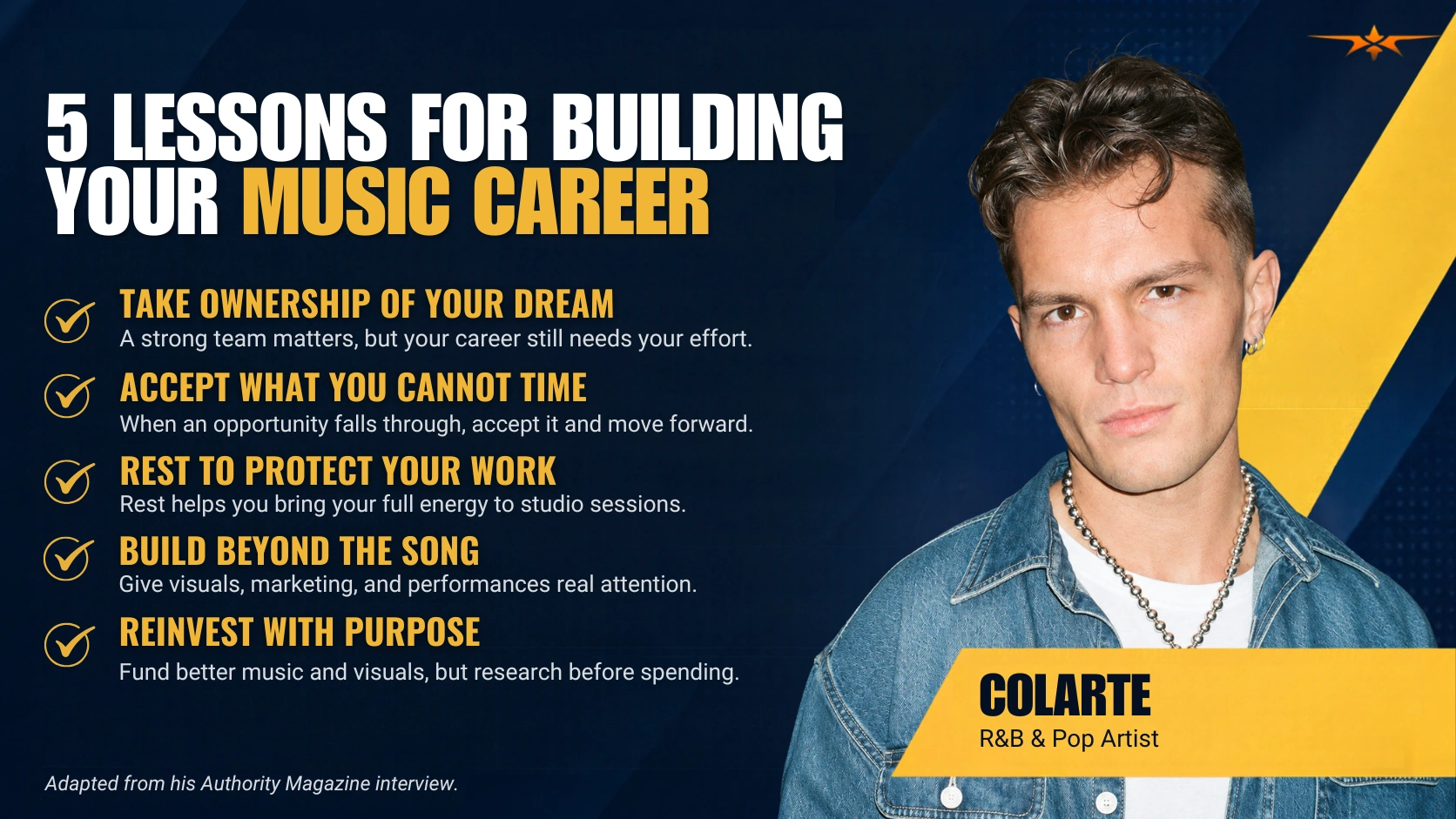
One of Colarte’s formal lessons is that making the music is only one part of building a career. He emphasizes marketing, visuals, content, performances, and networking as part of getting the work in front of people.
For video teams, that means thinking beyond one hero music video.
A single production can potentially generate performance clips, vertical edits, teaser material, behind-the-scenes footage, artist introductions, stills, and other assets that support the larger release.
The goal is not to create extra content simply for volume. Beverly Boy can plan coverage around where and how the audience will actually encounter the artist.
Invest in Content With a Clear Purpose
Colarte also advises artists to reinvest in their careers, including stronger music videos and content, while researching carefully before spending money.
That distinction matters.
A larger production budget should create a specific advantage, whether that is a more suitable location, stronger production design, better lighting, a specialized crew, additional deliverables, or a concept that genuinely requires more resources.
For Beverly Boy, production spending should serve the creative objective rather than simply make the shoot more expensive.
Protect the Energy Behind the Performance
Colarte says rest is as important as work because burnout eventually affects quality. He would rather spend fewer focused hours working at full capacity than stay in the studio constantly while running on empty.
That principle also matters on camera.
Overloaded schedules can affect performance, attention, and decision-making. An ambitious shoot should still leave enough room for the artist and crew to perform effectively.
Good scheduling protects the work.
Team Beverly Boy’s Takeaway
Colarte’s interview shows how artist video content becomes stronger when the visuals are treated as part of a larger creative world rather than isolated promotional pieces.
For Beverly Boy, that means aligning the creative team early, protecting a recognizable identity, planning assets around the release strategy, and making production investments that strengthen the artist’s actual vision.

Conclusion
Strong artist content needs more than attractive footage. The music, visuals, performance, and distribution should feel like parts of the same idea.
Colarte’s approach offers a useful production principle: build a clear world, surround it with the right collaborators, and let each piece of content expand that world without losing what makes the artist recognizable.
This article is based on an interview originally published by Authority Magazine. Read the full interview here.
