What Video Teams Can Learn from Ceylin Kocagoz About Collaborative Storytelling
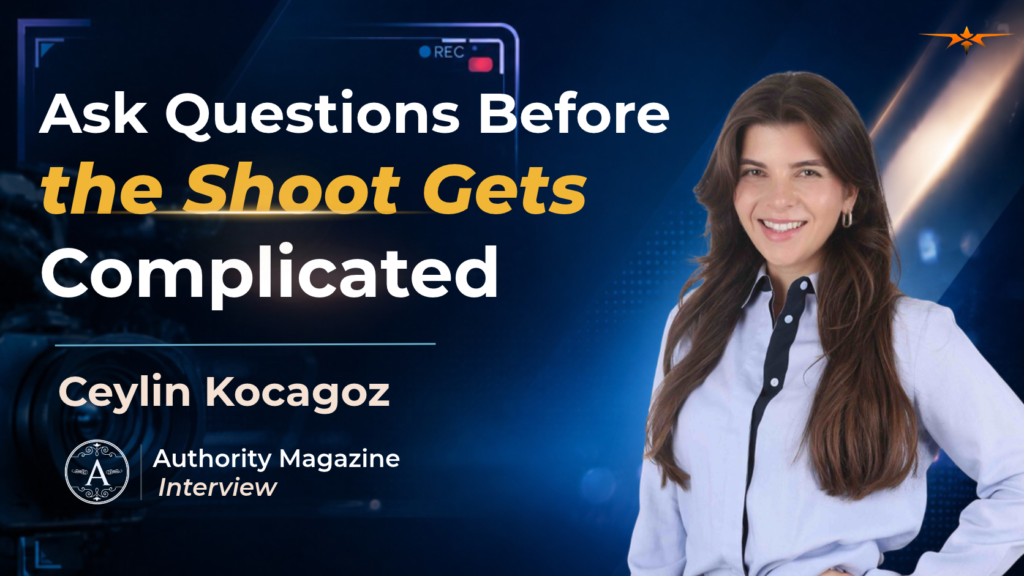
Ceylin Kocagoz, a film and television producer at Billings Productions, spoke with Authority Magazine about finding her way into producing and developing projects with other creatives. Her interview covers early career mistakes, working relationships, and why different voices matter to the stories that reach the screen.
For businesses planning video production, Kocagoz’s experiences highlight the value of asking questions early, involving the right collaborators, and considering whose perspectives belong in the finished story. The production applications here are Beverly Boy’s interpretation of Kocagoz’s experience, not video advice she gave to businesses.
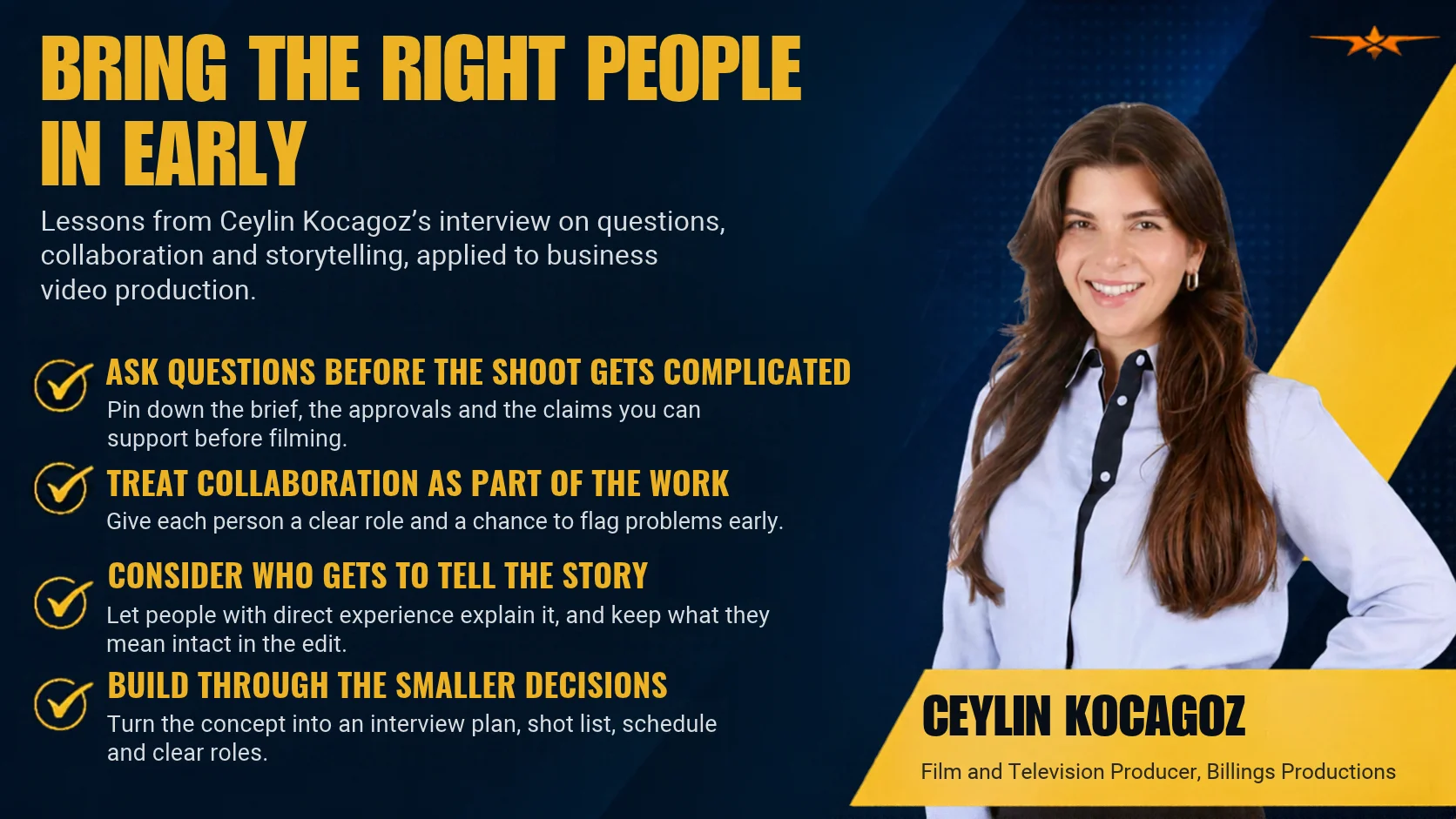
Ask Questions Before the Shoot Gets Complicated
Kocagoz recalled spending too long trying to solve problems alone early in her career because she thought asking questions would make her look inexperienced. She came to see questions and learning from others as part of doing the work well.
A producer should likewise clarify a video brief before filming. Who will approve the message? Which claims can be supported? What does the audience need to understand? These questions can reveal gaps between what a company wants to say and what viewers need to know, giving the team time to resolve them.
Treat Collaboration as Part of the Work
Kocagoz said relationships and teamwork matter alongside hard work. Relationships developed over time have led to significant opportunities for her, and she urged people not to treat connections as transactions. Her path into producing involved exploring acting, screenwriting, and other creative and production responsibilities before recognizing how those interests could come together in the producer’s role.
A business video draws on different kinds of knowledge. Communications staff understand the intended audience, subject matter experts check details, and producers shape material for the camera. Giving each person a clear role and a chance to flag problems early makes that knowledge useful throughout the project.
Consider Who Gets to Tell the Story
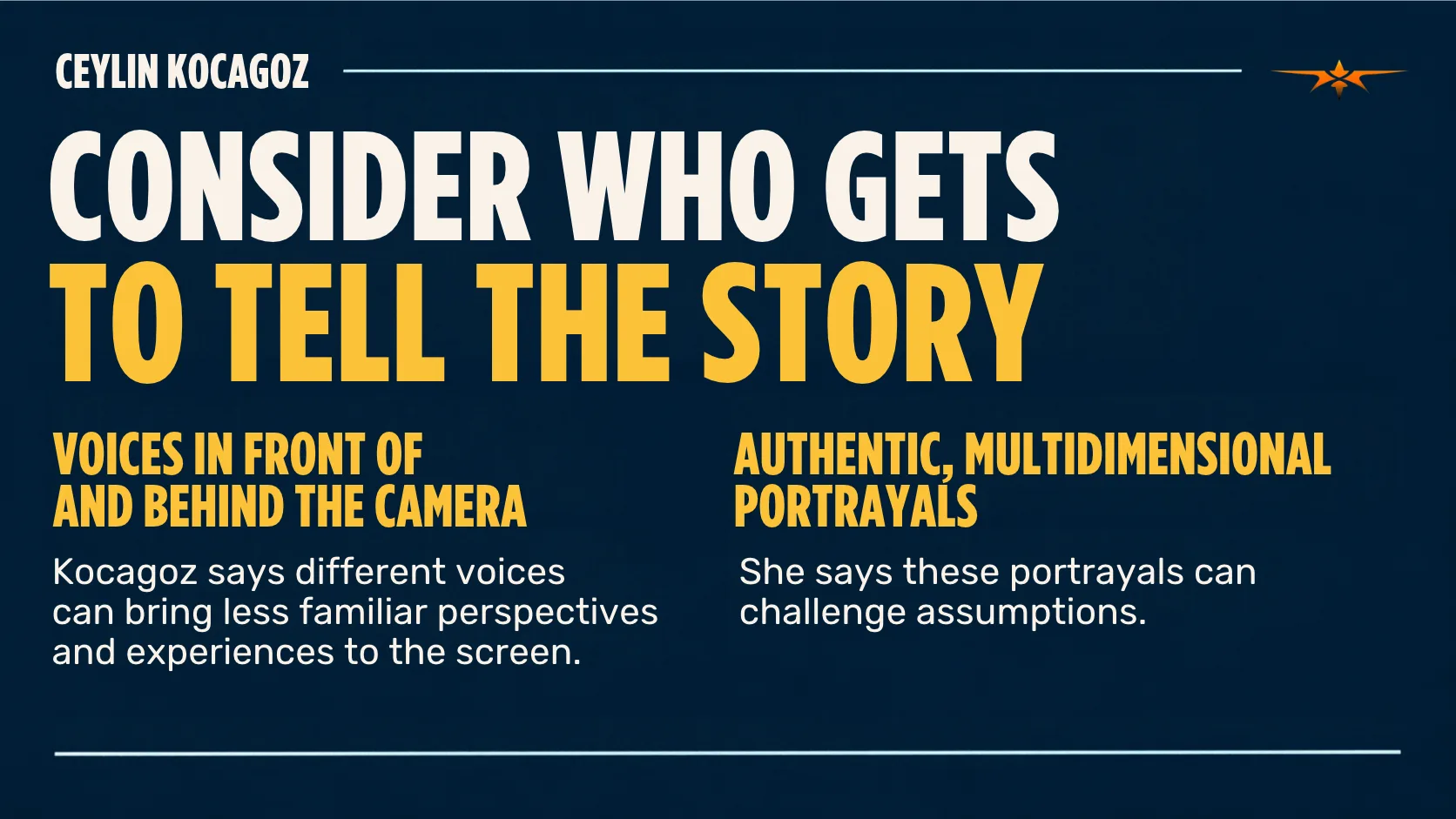
Kocagoz described the value of different voices in front of and behind the camera. She said broader representation can bring less familiar experiences to the screen, while authentic, multidimensional portrayals can challenge assumptions.
That matters when a company chooses people for an employee story, customer film, or community video. A spokesperson can explain the organization’s position, while someone with direct experience can describe how a service or decision affects daily life. Producers can ask who is equipped to speak to each part of the story, then give participants room to explain their own experience. The edit should preserve their meaning rather than make a short comment stand for something they did not say.
Build Through the Smaller Decisions
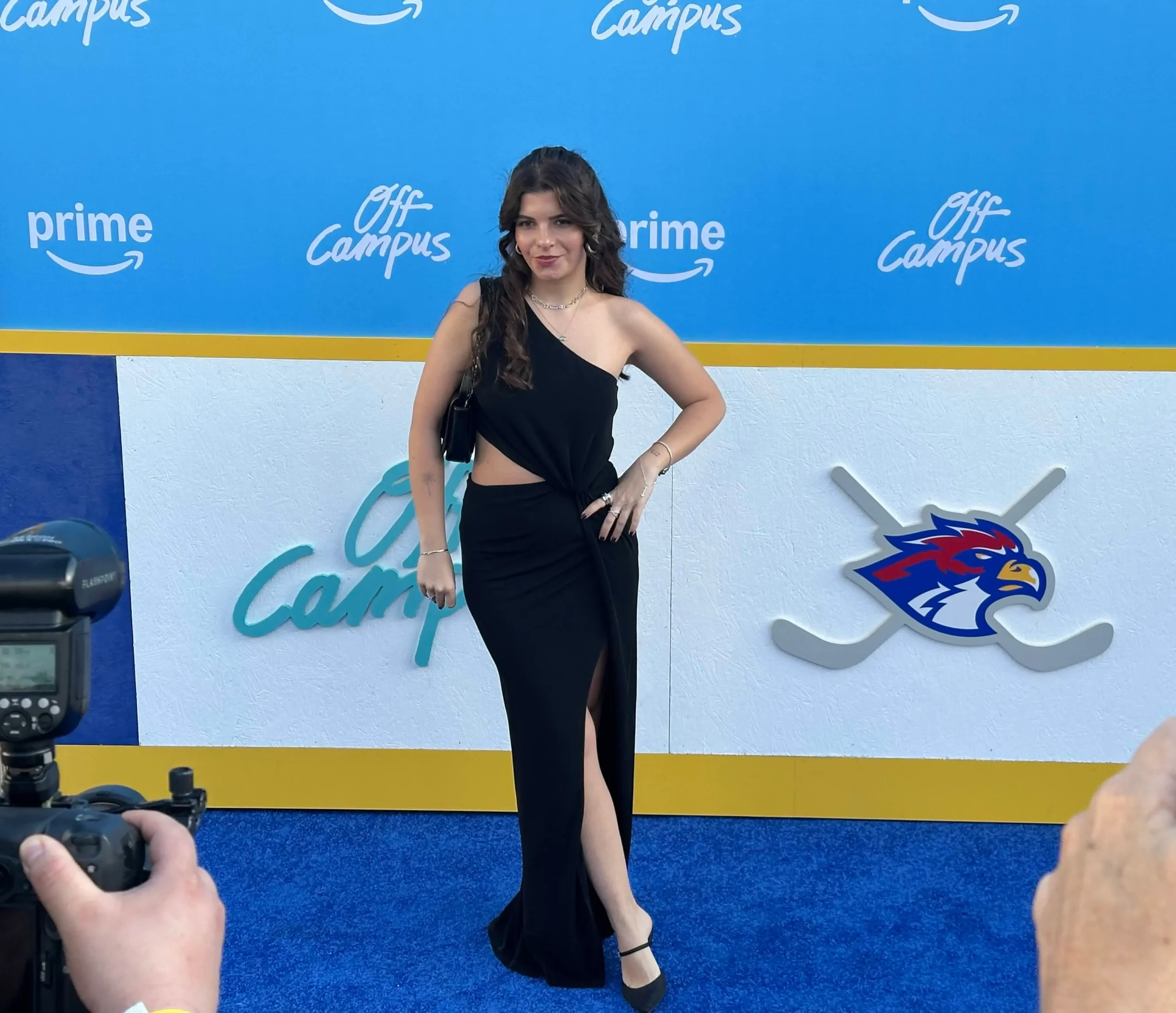
Kocagoz described watching Off Campus, a project she had worked on from its early stages, progress from development materials into an Amazon production. Seeing the concept become a working set with a cast and crew helped reinforce why she enjoyed producing. She also said entertainment careers grow through many small decisions and actions rather than one lucky break. Her comments concern creative projects and careers, but they also highlight the work between an idea and a finished production.
For a business video, the path from concept to filming also involves decisions that may not be visible in the finished piece. A producer has to turn the approved idea into an interview plan, shot list, schedule, and clear responsibilities for the people involved. Each step prepares the team to capture the material needed for the edit. A good concept still needs these choices before a crew can capture it and an editor can shape it. If the concept changes during development, the producer can revisit the brief with the client.
Practical Application: Brief the People, Then the Shoot
Begin with a planning conversation involving those responsible for the message and those closest to the subject. Ask what viewers need to learn, who has firsthand knowledge, and which facts require approval. Then decide which interviews, scenes, or demonstrations can provide useful evidence on screen.
Before filming, share a focused interview outline and confirm how participants will be introduced. During the shoot, ask follow-up questions if an answer reveals a missing detail or a stronger example. In the edit, check factual accuracy and whether the speakers still sound like themselves. This process gives collaborators opportunities to improve the video at each stage.
Team Beverly Boy’s Takeaway
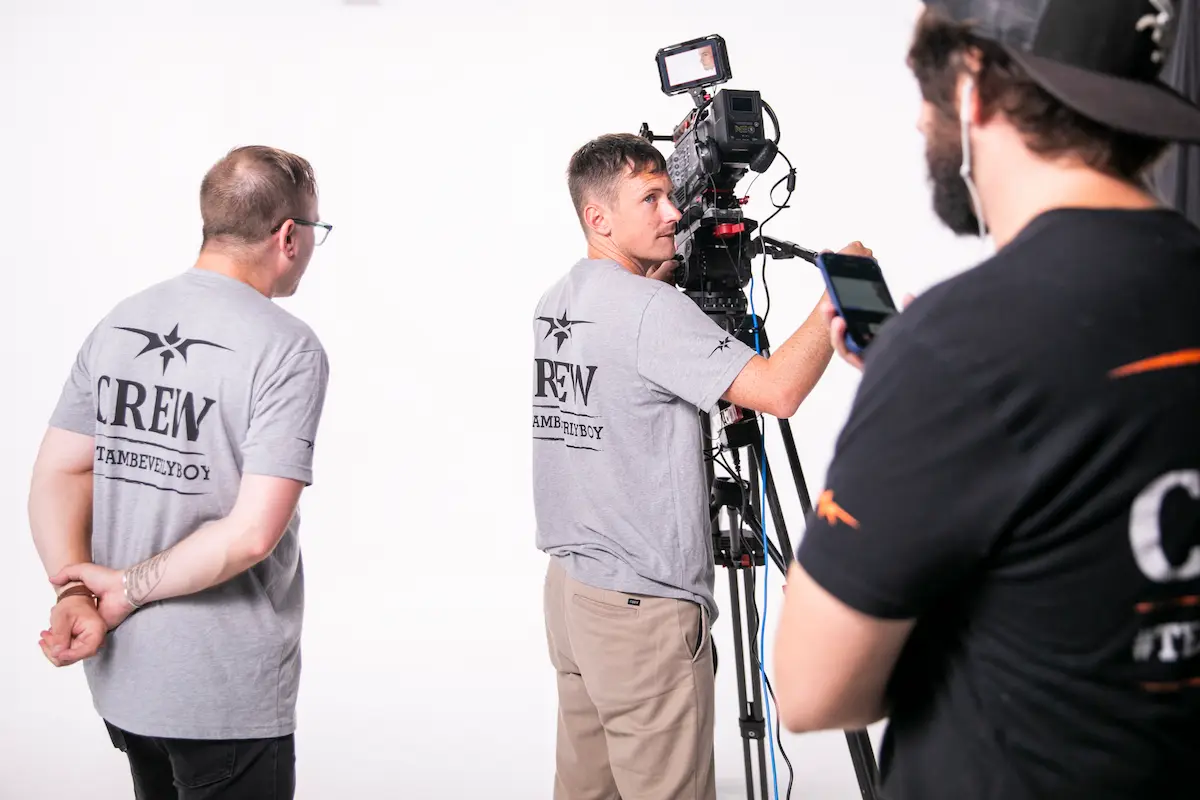
Kocagoz’s experiences reinforce the importance of bringing the right people into a project early. For our team, that means clarifying the brief, identifying who can speak firsthand about the subject, and giving collaborators opportunities to raise questions before filming.
We would ask the client who needs to be heard, what each participant can explain, and which decisions must be made before filming. Those answers help us plan a shoot that serves the business goal and represents the people on camera fairly.
Conclusion
Ceylin Kocagoz’s interview concerns building a career in film and television. Her reflections on asking questions, collaborating, and broadening the voices in a story also offer useful considerations for business videos.
A producer can put those ideas to work through a clear brief, informed interview choices, and an edit that stays true to what participants said.
This article is based on an interview originally published by Authority Magazine. Read the full interview here.