

THE STORY IN THE GRID: THE RULE OF THIRDS IN NARRATIVE FILMAKING
The Rule of Thirds is a foundational concept in narrative filmmaking that powerfully shapes how stories unfold visually on screen. By dividing the frame into nine equal sections with two vertical and two horizontal lines, you can position key subjects or objects along these lines or their intersections to achieve dynamic, eye-catching shots. This compositional method helps guide viewer attention, enhances emotional resonance, and supports clear, engaging visual storytelling. Instead of placing your main subjects squarely in the center, using the Rule of Thirds ensures your framing shots are more balanced, allowing the audience to connect with your narrative on a deeper level. Understanding this principle can transform your approach to shot composition and elevate the cinematic language you use to tell stories.
Historically, the Rule of Thirds has roots in classical art and photography, but its adoption in narrative filmmaking has made it an essential tool for filmmakers across generations. Early filmmakers used this technique to balance scenic vistas and character placement, especially in genres like Westerns where isolation or scale are key themes. Directors such as Alfred Hitchcock in ‘Rear Window’ and Orson Welles in ‘Citizen Kane’ skillfully applied the Rule of Thirds to heighten suspense and lead viewer attention through complex scenes. Over time, artists have adapted, evolved, or even intentionally broken this visual composition rule to deliver unexpected dramatic effects or underscore internal conflict. These creative variations show just how versatile—and crucial—the Rule of Thirds remains within both classic and contemporary cinema.
FRAMING, FOCUS, AND VISUAL NARRATIVE

Framing shots effectively often means paying attention to the nuanced impact of placing characters or objects at precise points on the grid. When you position a character’s eyes at an intersection, for example, you invite viewers to engage with their emotions or personal journey without relying on explicit dialogue or action. Leading lines in the environment, such as doorways or roads, can further direct attention to where you want the audience to focus, infusing each frame with subtle cues that build narrative depth. The Rule of Thirds allows you to suggest relationships between characters or highlight conflict simply through shot composition, transforming everyday scenes into powerful moments of visual storytelling. In practice, these decisions help you communicate internal states and narrative cues with clarity and sophistication.
Skilled filmmakers recognize that the Rule of Thirds not only enhances visual appeal but also contributes to the pacing and rhythm of a film. Well-balanced frames create a natural flow, making scenes feel more immersive and less forced. While following the rule provides consistency, intentionally breaking it can generate surprise or visual tension—think of close-ups or dramatic reveals where symmetry purposely heightens emotion or confusion. This flexibility allows you to manipulate audience expectations and underline pivotal beats in your story, making shot composition an active element in narrative progression. Through thoughtful framing, you add narrative layering and psychological depth to each scene.
PRACTICAL APPLICATIONS FOR FILMMAKERS
For those looking to apply the Rule of Thirds in their own narrative filmmaking, a few practical strategies can make the process more intuitive. Visualize the grid on your camera or in your editing software to help with intentional placement of major elements. Take advantage of digital overlays and grids, which are accessible features on many modern cameras and editing platforms, to reinforce these decisions throughout your shoot. Some common missteps include centering subjects out of habit or failing to balance negative space with important objects, which can dilute visual impact. To avoid these pitfalls, review your shots regularly during production and consider compiling a shortlist of reference frames—this simple list can inspire deliberate, creative shot composition with every take.
INSIGHTS FROM INDUSTRY LEADERS
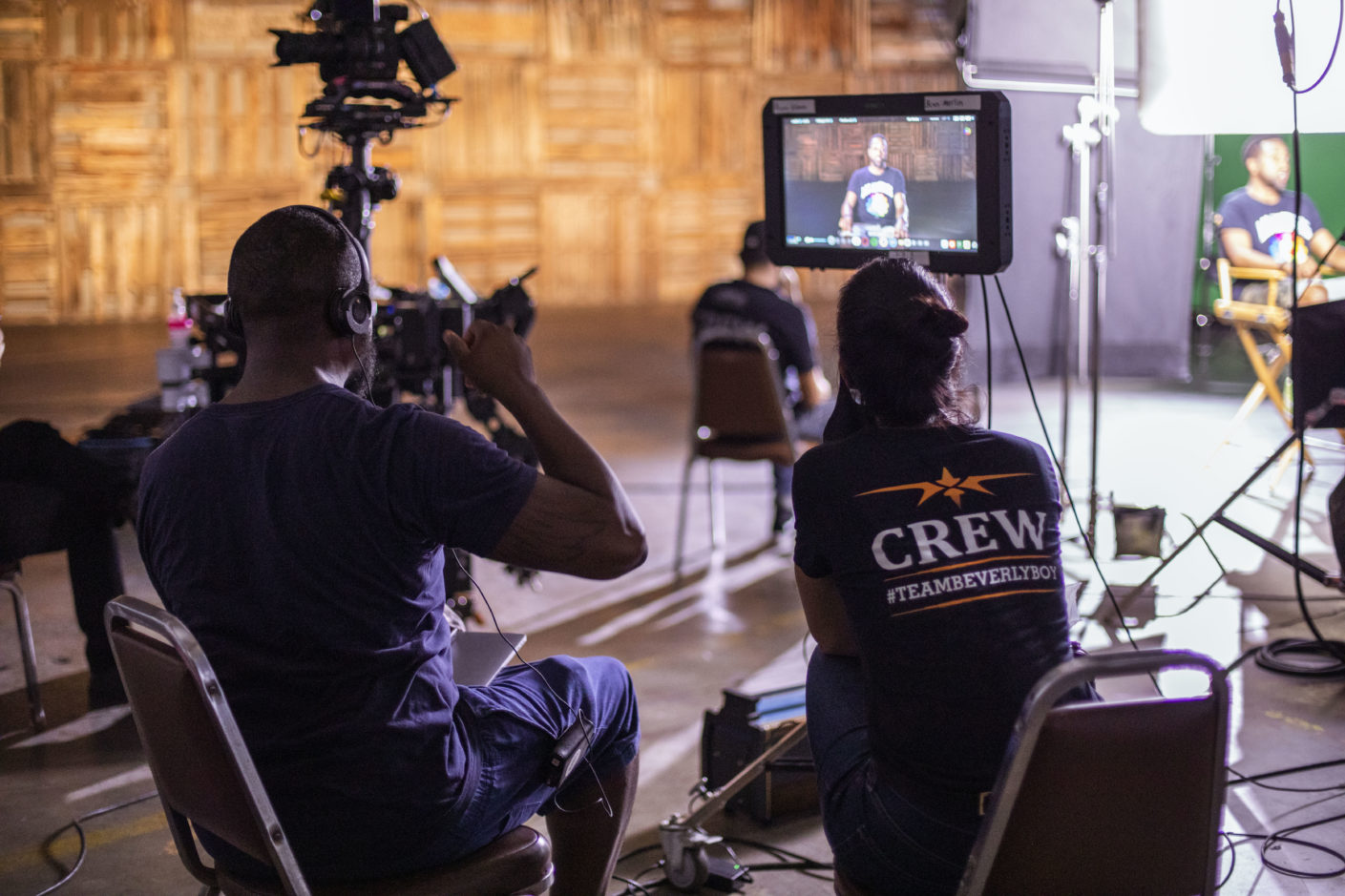
Prominent filmmakers and cinematographers frequently emphasize the transformative power of visual composition, particularly when using the Rule of Thirds. According to director David Fincher, framing shots precisely has a profound effect on emotional complexity and viewer engagement, often more than the dialogue itself. Behind-the-scenes stories reveal that even subtle tweaks—like shifting a character along a gridline—can ramp up narrative tension or highlight character arcs. These professionals often identify the Rule of Thirds as the backbone of their cinematic language, demonstrating how effective shot composition supports both storytelling clarity and artistic vision. Learning from their insights can help you harness this classic tool and forge a more compelling visual narrative.
THE CONTINUING EVOLUTION
The Rule of Thirds remains at the forefront of narrative filmmaking as both a practical guide and a springboard for creative innovation. Even as visual storytelling evolves, this timeless principle adapts to new genres, technologies, and narrative ambitions. By consistently framing shots with intention—sometimes embracing the rule and sometimes moving beyond it—you can deliver films that connect with audiences both visually and emotionally. Every filmmaker finds their own balance with this compositional technique, blending traditional wisdom with modern experimentation. Mastering the Rule of Thirds ensures your storytelling has clarity, depth, and a unique visual voice.
